
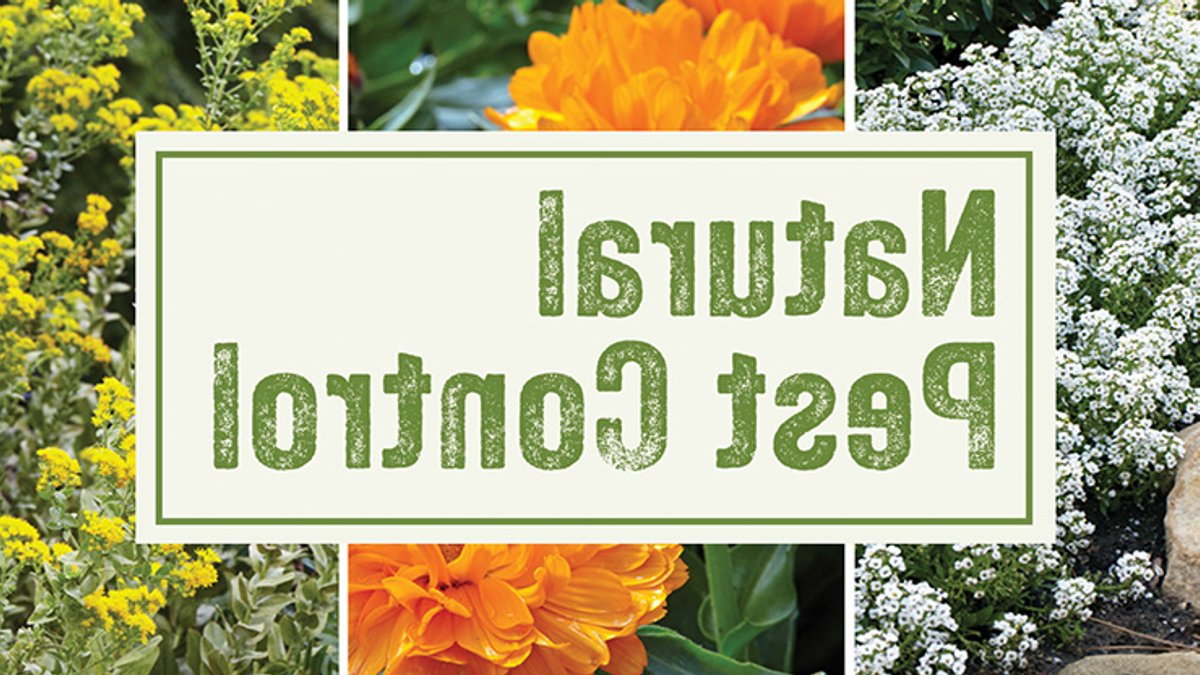
Growing flowers near shrubs helps control pests in the garden, according to a 2005 study from the University of Illinois. Researchers found that bagworm-infested plants surrounded by flowering plants had a 71 percent higher rate of parasitism on the pests than those without flowers nearby. While you can buy predatory insects, growing flowers that feed beneficial insects like lady beetles, hoverflies, and predatory wasps is often a more reliable method for keeping pest populations in check. If peonies attract adult tiphia wasps, they will lay eggs on nearby beetles, and the larvae of hoverflies and lady beetles feed voraciously on aphids and caterpillars.
Related: Front Yard Transformed with Deer-Resistant Flowers
Gardeners should ensure beneficial insects have resources year-round. Adults have short lifespans and require food at specific times to reproduce. Adding a few stones to a birdbath creates shallow areas where insects can safely access moisture without drowning. Selecting flowers with specific shapes also helps. Many beneficial adults have small mouthparts and rely on nectar and pollen; growing umbel-shaped and daisy-shaped blooms makes it easier for them to feed. This approach creates a self-sustaining system where pests are controlled naturally.
Related: Smoky Shakshuka Adds Kick to Brunch
6 Plants That Help Attract Beneficial Insects
1. Dill (Anethum graveolens)
Type: Tender perennial (usually grown as an annual)
Blooms: Airy yellow flowers on top of long stems from summer to early fall; host plant to swallowtail butterflies
Size: 3 to 5 ft. tall, 2 to 3 ft. wide
Hardiness: Cold hardy in USDA zones 7 to 11
Attractive to beneficial insects including: Lady beetles, lacewings, ichneumon wasps
2. Goldenrod (Solidago spp. and hybrids)
Blooms: Plumes, spikes or long arching stems covered in small individual flowers from late summer to fall
Size: 1 to 6 ft. tall, 2 to 3 ft. wide
Hardiness: Cold hardy in USDA zones 3 to 9
Attractive to beneficial insects: Hoverflies, leatherwing soldier beetles
3. Tithonia (Mexican Sunflower)
Blooms: Single or double pink, white, purple, yellow or red blooms in early to late spring
Hardiness: Cold hardy in USDA zones 3 to 8
Attractive to beneficial insects: Tiphia wasps
4. Pot marigold (Calendula officinalis)
Blooms: Daisy-shaped blooms in golden yellow, orange, pink, peach, cream or bronze from late spring to frost
Size: 12 to 24 in. tall, 12 to 18 in. wide
Attractive to beneficial insects: Lady beetles, hoverflies
5. Queen Anne’s lace (Daucus carota)
Blooms: White blooms in summer; be cautious of toxic sap
Size: 36 to 48 in. tall, 6 to 12 in. wide
Hardiness: Cold hardy in USDA zones 3 to 11
Attractive to beneficial insects: Hoverflies, lacewings, lady beetles
6. Sweet alyssum (Lobularia maritima)
Type: Tender perennial (usually grown as an annual)
Blooms: Clusters of individual white, purple or lavender flowers form a mass of color from late spring to frost
Size: 3 to 9 in. tall, 6 to 14 in. wide
Hardiness: Cold hardy in USDA zones 9 to 11
Attractive to beneficial insects including: Hoverflies


