
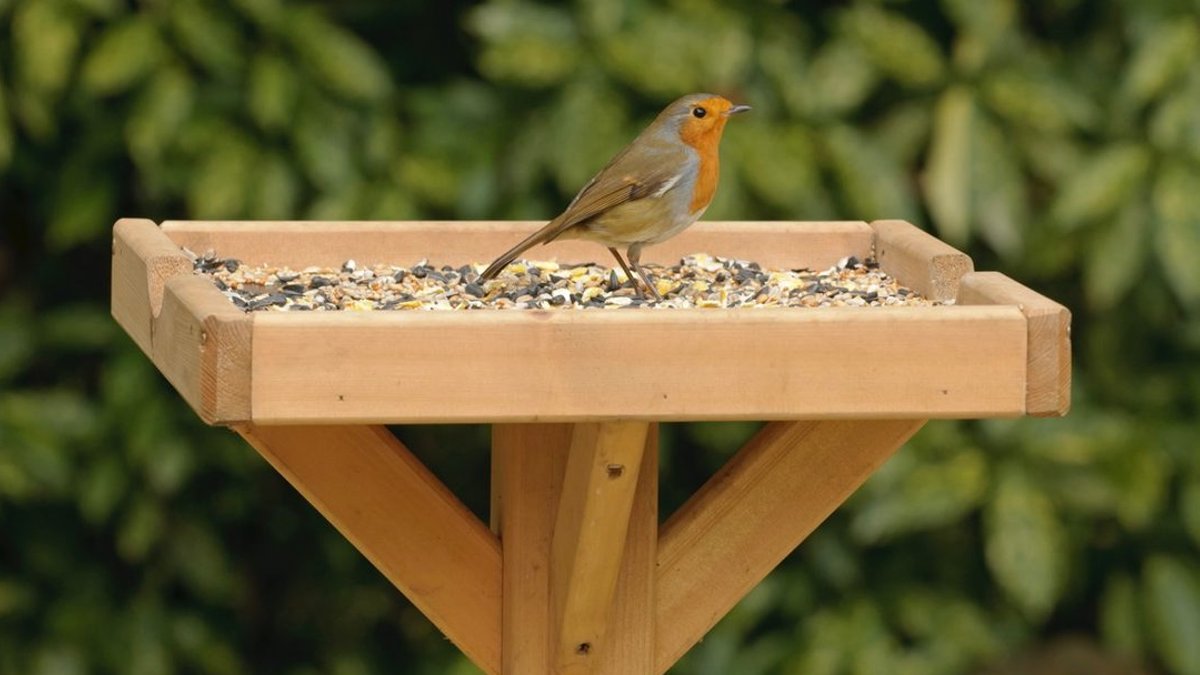
As the Royal Horticultural Society (RHS) also announced it will no longer sell bird seed mixes and peanuts during the summer, the changes are prompting a shift in how the public approaches backyard feeding. The new rules aim to reduce disease transmission among garden populations, particularly during warmer months when birds congregate.
The Four Key Changes
First, feeders and water bowls must be cleaned weekly and moved to prevent debris buildup. Second, the charity advises against filling feeders with seeds and peanuts between May 1 and October 31. Small amounts of mealworms, fat balls, and suet are acceptable during this period. Third, the guidance warns against using bird feeders with flat surfaces, which can trap moisture and promote bacteria growth. Finally, water sources must be refilled daily from the tap.
The primary driver for this guidance is the prevention of trichomonosis, a parasitic disease that spreads easily when birds gather around feeders. Leaving out seeds and peanuts encourages large groups to congregate in one spot, increasing the risk of transmission. The parasite, Trichomonas Gallinae, survives on damp food at certain temperatures and is transferred between birds through saliva.
Many gardeners respond to these warnings by discarding their existing feeders, but experts suggest this may not be the safest route. If half of the bird-feeding population stops feeding, the remaining birds will concentrate at fewer available points. This increased traffic creates a higher probability that a diseased bird will share the parasite with others. Furthermore, this shift comes as bird populations are expanding with chicks beginning to fledge, placing additional stress on local wildlife.
Related Post: Garden Water Features Get Wildlife Friendly Makeover
The charity states that finches, for example, collect food from large areas and rely on natural food sources that peak during the summer and autumn. Gardeners are encouraged to share information with neighbors who may be unaware of the changes.
Alternatives to Traditional Feeders
Businesses like Finches Friend have developed feeders specifically to minimise disease transmission. The company’s designs focus on keeping food clean, dry, and uncontaminated. Products are tested to ensure they protect birds rather than expose them to illness.
Best Plants for Birds
The Royal Horticultural Society advises growing plants that attract insects and invertebrates to safely support garden birds. Experts recommend planting field scabious, dog rose, and lavender during the summer months. Colourful and seed-rich flowers, such as sunflowers, cornflowers, angelica, and teasels, are also recommended, as they produce seedheads that birds feed on in autumn and winter.
Additionally, long and short grass, as well as berrying shrubs and trees like hawthorn, elder, ivy, viburnum, Rosa rugosa, and honeysuckle, can provide food for birds during different seasons. By choosing the right plants and creating a welcoming safe habitat, gardeners can help birds thrive throughout the year. With these changes and recommendations, gardeners can make a positive impact on local bird populations and help protect these wonderful creatures.


