
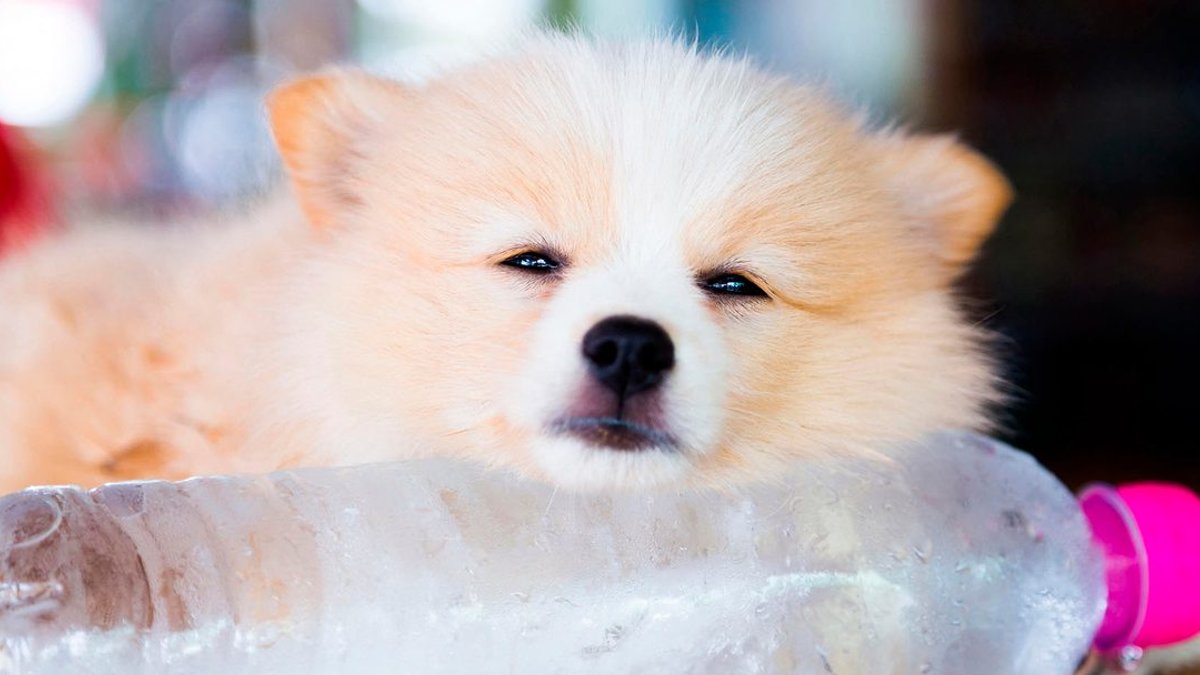
With summers delivering more extreme heat and prolonged heatwaves, pet owners must understand critical safety measures to protect their animals during scorching conditions. Though pets may appear to relish sunlight—like cats basking in warm patches—they face serious threats, including dehydration, heatstroke, and even sunburn from prolonged exposure.
The RSPCA, Cats Protection, and Dogs Trust offer key advice on keeping pets cool and hydrated. One of the top tips is to keep pets indoors during the hottest hours of the day, between 10am-3pm.
Providing shade, both inside and outside, is also important for pet safety. Additionally, ensuring fresh drinking water is available at all times, and adding one or two ice cubes if appropriate, can help keep pets hydrated. Encouraging pets to drink regularly from wide bowls away from food and litter trays is also recommended.
Exercising Dogs in a Heatwave
When it comes to exercising dogs in a heatwave, Dogs Trust advises that a missed walk is better than burnt paws. If the ground feels too hot for the back of your hand after holding it there for several seconds, it is too hot for your dog’s paws.
Walking dogs in early morning or evening when temperatures are cooler, and sticking to grassy, shaded areas, can help prevent heat-related illnesses. In extreme heat, it may be best to skip the walk altogether and instead use puzzle feeders and snuffle mats, or play calm training games indoors.
Dogs Trust also reminds dog owners that dogs die in hot cars, and if you see a dog in a hot car, you should call 999 immediately. For dogs that need to go to the toilet, taking them to the nearest grassy area and then heading straight back home can help minimize their exposure to heat.
Read Also: Cotswold town wins Britain in Bloom
Sunburn is another hidden danger for pets, particularly those with white or thin fur. Limiting their time in direct sunlight, providing access to shade, and using pet-safe sunscreen on vulnerable areas can help prevent sunburn.
According to Izzy Hocking, senior veterinary engagement manager at Cats Protection, “Cats may love lounging in the sun but extreme heat can be just as dangerous for them as it is for us.” Emily Mills, veterinary projects manager at Dogs Trust, notes that certain types of dogs, such as brachycephalic or flat-faced breeds, are at a higher risk of heatstroke.
In practice, this means that pet owners need to be extra vigilant when caring for their pets during heatwaves, taking steps to prevent heat-related illnesses and providing a cool and safe environment for them to thrive. This can involve simple measures such as providing cool water, shade, and ventilation, as well as being aware of the signs of heatstroke and taking prompt action if they occur.
Recognizing the signs of heatstroke is critical, as it can be life-threatening for pets. The advice from Dogs Trust is to “cool first, transport second,” and they provide steps to take if your pet has heatstroke, including stopping any exercise or activity, moving the pet to a cool, shady area, and providing fresh drinking water.
The RSPCA also offers tips on keeping pets cool without using a hosepipe, which can be helpful for pet owners living in areas under a regional hosepipe ban. These tips include putting water bowls in every room for pets to sniff and discover, making a DIY cooling mat using a small, wet towel chilled in the freezer, and making homemade frozen treats.
Preventing Heat-Related Illnesses
Pet owners can also keep their pets cool without using a hosepipe by putting water bowls in every room, making a DIY cooling mat, or building a breezy shade fort. These simple measures can help keep pets safe and comfortable during hot weather.


