
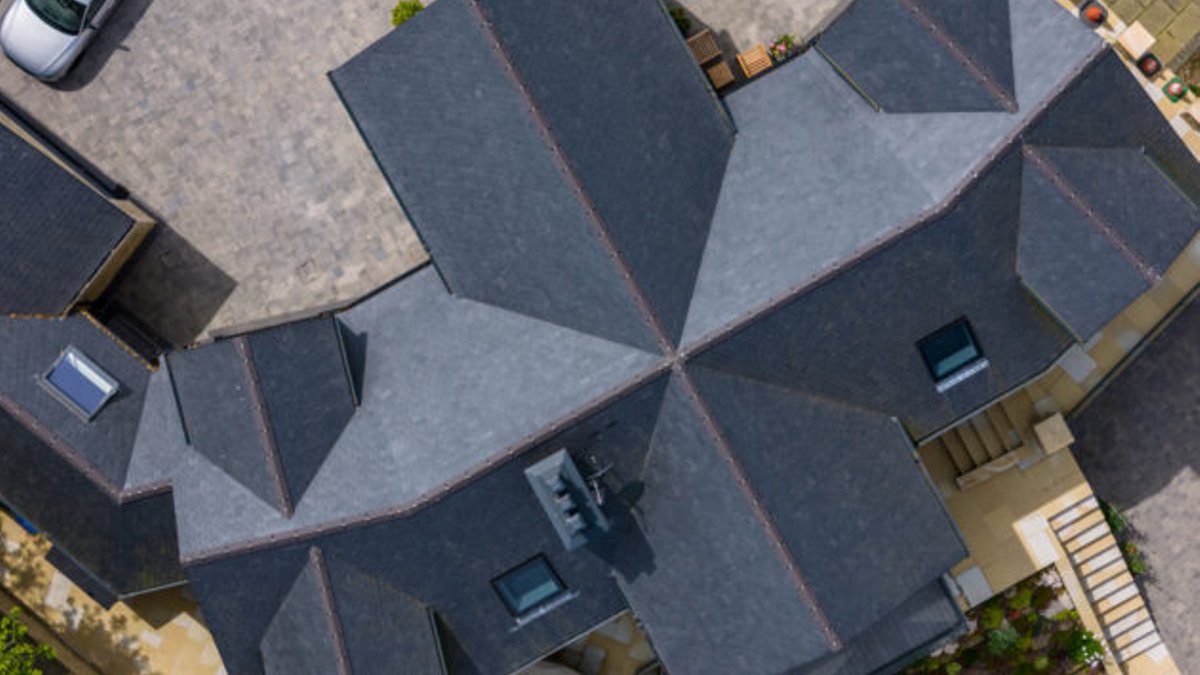
During a renovation, an addition, or a new-build project, certain choices warrant greater scrutiny than others. While kitchen trims, bathroom updates, and interior paint palettes can be altered, the roof must safeguard the dwelling for many years. Consequently, selecting the appropriate roofing material becomes key. Aesthetic appeal matters, yet factors such as durability, resistance to weather, upkeep demands, and long-term performance must also be evaluated in practice.
A material formed by nature
For homeowners looking for a roofing material designed to stand the test of time, natural slate offers a compelling combination of longevity and character. CUPA PIZARRAS offers a 100-year manufacturer’s guarantee across its natural slates, a substantial commitment that reflects the material’s inherent properties. Natural slate is a natural stone formed over more than 500 million years through intense pressure and heat, a geological process that gives the material its distinctive physical properties.
Slate’s geological background is key to its popularity in residential design. Instead of artificial roofing meant to mimic natural materials, homeowners opt for the genuine article—a product with colors, textures, and character forged by natural processes. CUPA PIZARRAS emphasizes that natural slate handles harsh conditions, from scorching heat to heavy snow, while staying watertight and fire-resistant. Its ability to endure extreme weather makes it a top choice for homes built to last.
Roofs are among the hardest parts of a house to access, and replacing or repairing them is rarely straightforward—especially when factoring in scaffolding and labor costs. Selecting a material built to last isn’t just about aesthetics; it’s an investment in the building’s future. For families planning to keep a home for decades, this long-term perspective becomes even more key.
Performance in the British climate
Rain, frost, wind, temperature fluctuations, and occasional periods of extreme weather can all place demands on a roof. Natural slate is inherently well suited to this role. CUPA PIZARRAS highlights that its natural slate is waterproof, resistant to extreme temperatures, and difficult snow conditions.
Related Post: Couple Retrofits Victorian Home for Sustainability
Its roofing slate information also gives the material an A1 classification for reaction to fire, the highest possible classification under EN 13501-1. For homeowners, that combination of weather resistance and fire performance is another reason to consider the material as part of a long-term roofing specification. Perhaps just as important is the way natural slate ages. Unlike some manufactured roofing products, the color and natural appearance of slate are designed to remain stable rather than simply relying on a surface finish that may deteriorate over time.
Longevity without compromising on appearance
Durability doesn’t mean sacrificing style. Natural slate adapts to a wide range of architectural designs, its rich tones suit historic homes, while its sleek lines complement modern structures. For renovations, slate preserves a building’s original character, while in new constructions, it contrasts beautifully with wood, brick, stone, glass, or metal. CUPA PIZARRAS offers slate in various sizes, thicknesses, and finishes to match any project’s needs.
Slate’s flexibility extends beyond aesthetics; it plays a key role in defining a home’s exterior, particularly on pitched roofs. Whether restoring heritage features or designing a contemporary extension, slate bridges tradition and innovation.
A roof designed for fewer interventions
For those weighing sustainability, slate’s natural origin and longevity are major advantages. A roof lasting decades eliminates frequent replacements, lowering environmental impact. CUPA PIZARRAS highlights that its slate is 100% natural, produced without synthetic additives, and backed by life-cycle assessments. This aligns with eco-conscious choices, proving that durability and sustainability can go hand in hand.


