
Choosing the right hand trowel can make everyday gardening tasks feel less like work and more like a routine.
Basic designs and what they handle
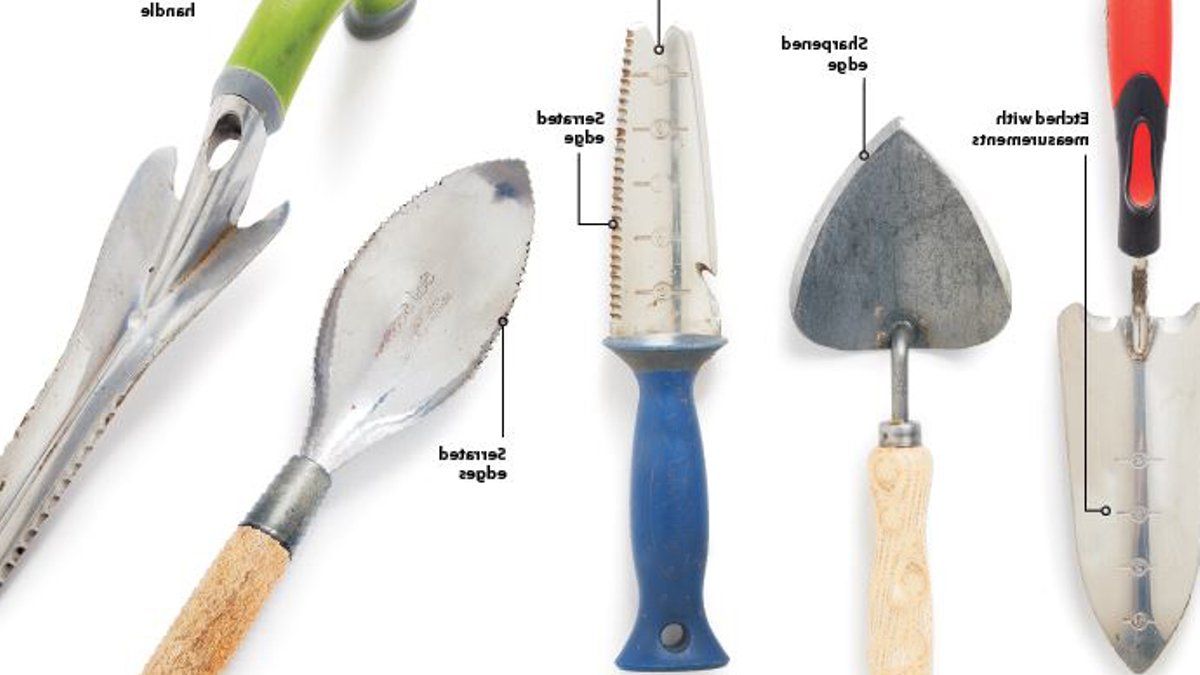
A standard garden trowel narrows toward the handle and ends in a point that may be sharpened. The curved blade lets you scoop soil, making it suitable for planting holes, turning soil in small beds, or digging up weeds. The Corona CT 3314 Premium Stainless Steel ComfortGEL Garden Trowel adds etched measurements so you can gauge depth and spacing without a separate ruler, and its sharpened neck edge helps open bags.
If you own only one hand tool, a basic trowel made of carbon or stainless steel should be your go‑to. Cheaper versions often bend where the tang meets the handle, reducing durability over time.
Specialty shapes for specific jobs
For larger annuals or perennials in 4‑ to 6‑inch pots, a trowel with a wide, flared blade and a sharp tip—like the Garden Guru Heavy‑Duty Garden Trowel—lets you dig and transfer a root ball without breaking it. A heart‑shaped blade offers enough surface to hold delicate plants while the sharpened edge slices through roots.
Related: Garden Pest Control Using Integrated Pest Management
A soil knife, such as the AM Leonard Soil Knife with Sheath, features a narrow, serrated blade that excels at cutting perennial crowns or pulling up taproots. Some models include a hook near the handle for shearing stray branches or opening bags, adding versatility beyond simple digging.
When you need to work in tight spaces, a bulb‑shaped trowel is useful. Its slim profile lets you fill narrow crevices between plants, while the Radius™ Ergonomic Hand Weeder offers a curved handle that can be flipped for tamping potting mix.
Ergonomic handles play an important role in comfort. Telescoping handles aid those who find bending difficult, and cushioned or curved grips reduce strain for users with arthritis. Adaptive tools with these features can make a noticeable difference during long planting sessions.
Choosing a trowel often comes down to matching the tool’s shape to the task at hand. A wide, flared blade works best for scooping soil, a narrow V‑shaped blade excels at targeting individual weeds, and a deep bowl is ideal for moving large volumes of mix.
Related: Silk Decor Trends for 2026 Emerge
The market may see more hybrid designs that blend the scoop’s capacity with the knife’s precision, offering gardeners a single tool for multiple steps in the planting cycle. Such evolution could streamline toolkits, especially for hobbyists with limited storage space.
Putting a trowel in your toolbox
When building a garden toolbox, start with a reliable basic trowel—preferably stainless steel—for general use. Add a specialty trowel or soil knife for tasks like dividing perennials or tackling tough weeds. Finally, consider ergonomic accessories, such as a telescoping handle or cushioned grip, to ensure comfort over repeated use.
By aligning each tool’s geometry with its intended function, you’ll reduce effort, protect plant roots, and keep your hands healthier throughout the growing season.


