
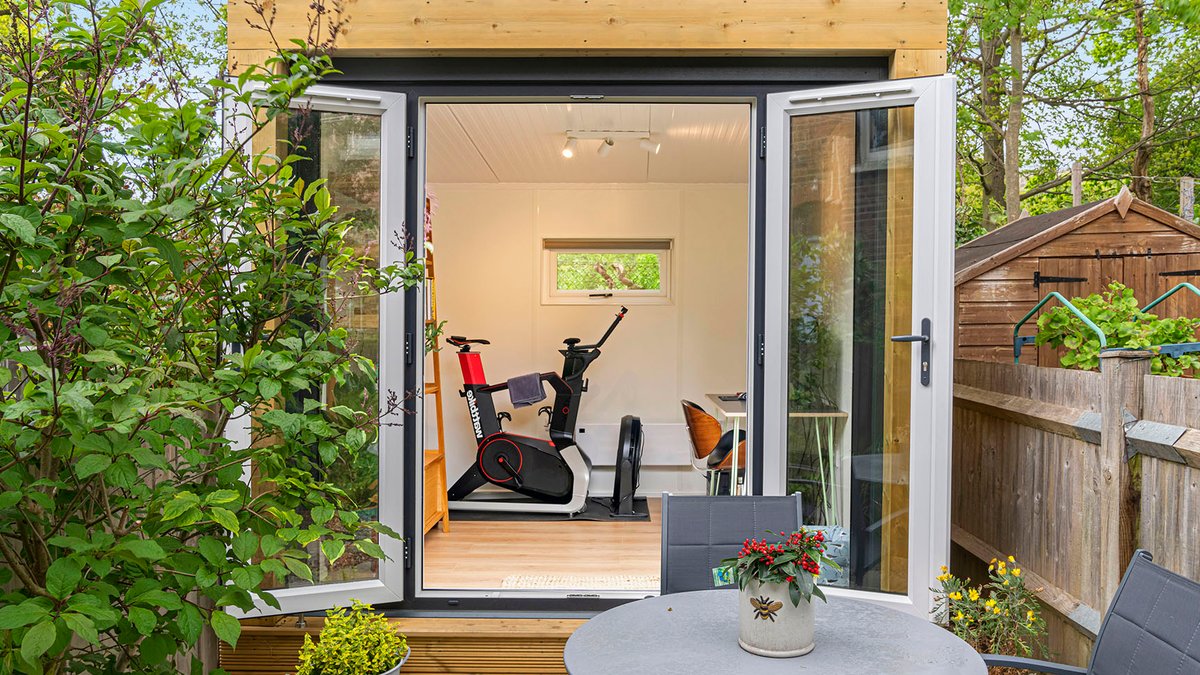
Creating a home gym requires careful planning rather than a large budget. Whether one is building a new home or renovating an existing one, integrating a fitness area can add significant value to the property. If constructing from scratch, an architect should be consulted early to identify the best location for the space. Consideration must be given to how much natural light the area receives and whether privacy from neighbours or the rest of the house is required. A spare bedroom, conservatory, or garage can serve as an ideal location for this purpose.
Start with a clear plan
Space constraints should not prevent the setup of a workout area. One can dedicate a spare room or simply designate a corner of the bedroom or living room for exercise. In these scenarios, the equipment must be both functional and aesthetically pleasing. Measuring the area accurately is the first step to ensure that new items will fit. Experts recommend creating a scaled plan of the room to visualize where equipment will go. This prevents the common mistake of cramming too many items into a limited footprint, which can hinder movement and increase the risk of injury.
Proper ventilation and natural light play a major role in how comfortable a person feels during a session. James Bickerstaff notes that good airflow and brightness can significantly improve the workout experience. While mirrors are a standard feature in commercial gyms and help monitor form, a minimalist aesthetic that avoids reflective surfaces might be preferred. The choice of flooring is equally important. Non-slip mats that absorb impact protect both the floor and joints. Adam Clark emphasizes that quality flooring reduces the risk of injury and preserves the sub-flooring from damage caused by heavy weights.
Focusing on versatile, portable equipment is often more practical than purchasing expensive, bulky machines. Luke Hughes advises starting with basic gear that is easy to store and does not damage interior surfaces. A simple workbench can support a wide range of exercises for the entire body. Resistance bands, medicine balls, sandbags, and plyo boxes offer multiple uses without requiring a large footprint. Adam Clark adds that kettlebells and dumbbells are excellent for strength training and flexibility, while skipping ropes provide a low-cost, full-body cardio option. These items allow one to build a functional routine as needs evolve.
When a dedicated room is not available, the home office or a large bathroom can be repurposed for fitness. In these shared spaces, acoustic panels may be necessary to prevent noise from disturbing others. If a garage is used, heating becomes a priority during colder months. Electric heaters that heat quickly and do not require constant maintenance are a practical choice. Insulation can also help maintain a comfortable temperature and reduce energy costs. Smart radiators that activate when someone enters the room offer a convenient solution for intermittent use.
Invest in the right audio and climate control
Music or television can act as a strong motivator during a workout. Many people enjoy watching their favourite shows while using a stationary bike. One might be content with headphones connected to a phone. However, a permanent setup could include a wall-mounted television or a soundbar. Ceiling speakers offer a discreet way to enjoy audio without cluttering the room. If designing a high-end gym from the ground up, audio-visual requirements should be planned early. This ensures the equipment fits seamlessly into the design of the space.
Insulation is also a smart consideration for a garage gym. If planning to heat the space regularly, adding insulation helps maintain a comfortable temperature. It also reduces energy costs over time. Specialist options range from insulated garden doors to spray-on cork insulation. If planning to do high-intensity workouts next to a shared wall, acoustic panels may be needed. These soundproofing panels can stop noise from travelling to neighbours. This ensures one can exercise without disturbing others in the house or property.
The choice of lighting should match the type of exercise planned. A space with plenty of natural light is ideal. If natural light is lacking, recessed, spot, or track lighting should be added. Bright lights can boost motivation. However, if planning to do yoga or similar activities, dimmable lighting is more appropriate. Programmable mood lighting can create a calmer atmosphere for flexibility training. Finding the right balance of light helps set the mood for a workout routine.
Sweat is inevitable during exercise. Installing air conditioning can help manage humidity and temperature. A portable unit costs upwards of £300 and requires a window for venting. If one can afford it, a unit that also acts as a dehumidifier is a good choice. This prevents the gym from becoming damp, especially in winter. If using a garden room or garage, a unit that both heats and cools might be necessary. This makes the space usable all year round. Split air-con units fixed into the wall are a good option for permanent gyms. They save floor space and are less visually intrusive.
Designing a Dedicated Gym Space
One may have the space to create a dedicated gym.


