
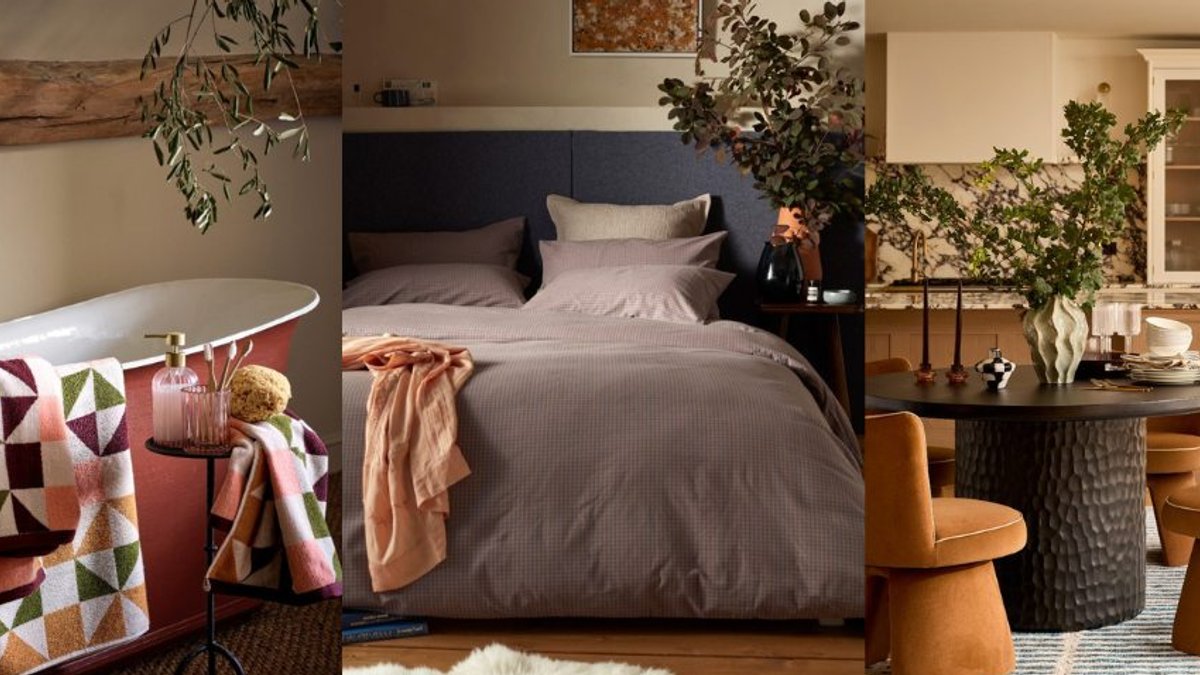
As temperatures drop and evenings grow longer, many homeowners are looking for ways to make their living spaces feel warmer and more inviting. Soft furnishings offer one of the simplest starting points for creating a snug atmosphere without major renovations.
Layer textiles for warmth and comfort
Thick, thermal curtains do double duty by insulating windows while adding visual interest to a room. An oversized rug or a chic runner can introduce charm and extra comfort underfoot, whether made from faux shearling or natural materials like wool or sisal. For seating areas, consider styling sofas, armchairs, or beds with chunky blankets and tactile throws. Mixing cushion sizes, heights, and patterns in fabrics such as velvet, tweed, or chunky knit can create a layered, textured look that invites you to curl up and relax.
Material choices play a significant role in setting a room’s mood. Grainy wood surfaces, whether on flooring, panelling, or furniture, bring a natural, warm touch to a space. Luxurious velvets, neutral bouclé fabrics, and colored marble also work well for achieving a comforting scheme. Darker shades like muted navy, burgundy, and ochre tend to create a more intimate feel compared to lighter palettes. Incorporating textured wall coverings, such as wallpaper with a subtle pattern or a painted wall with a cracked finish, can further enhance this cozy atmosphere.
Lighting and scent complete the picture
Lighting deserves careful attention when designing cosy interiors. A layered approach using floor lamps, low-level pendants, and table solutions can help drench rooms in a diffused, warm glow rather than harsh overhead light. The goal is to create pools of light that encourage relaxation. Consider using lamps with warm-toned bulbs (2700K to 3000K color temperature) and diffusers to soften the light even further.
Related: Eight simple ways to refresh your kitchen
Scent can further enhance the feeling of warmth and coziness. Aromatic candles, essential oil diffusers, or potpourri with notes of cinnamon, spiced apple, or smoky wood can add a sensory dimension that many find comforting during the cooler months. Small touches like pumpkin or pine cone accessories, or even a bowl of warm spices like cinnamon sticks and star anise, provide a subtle seasonal nod without overwhelming a room’s design.
Interior designers have observed kitchens becoming softer and more comfortable in recent years. These spaces increasingly resemble relaxing living areas rather than purely functional zones. The design approach focuses on comfort and accepts imperfection, featuring elements like grainy wood cabinetry, terracotta or warm-toned ceramic flooring, hammered copper cookware, and a mix of old and new decorative pieces alongside tactile wall surfaces. A large, comfortable dining area, often with upholstered seating, encourages family and friends to linger and enjoy each other’s company.
Color trends lean toward rich, moody tones
Autumn’s color trends reflect a preference for depth and warmth. Dark reds and purples, such as aubergine, plum, damson, and burgundy, are rising in popularity. These richer tones help create a moodier atmosphere suited to the season’s shorter days. Incorporate these shades through paint selections, tiles, accessories, and fabrics to add depth and interest to your spaces. To balance these moody tones, consider pairing them with neutrals like warm greys, beiges, or soft whites to prevent the room from feeling too dark or overwhelming.
Incorporating these ideas can help transform your home into a warm, inviting sanctuary this autumn and winter season. By layering textiles, carefully considering materials and colors, and attending to lighting and scent, you can create a home that feels welcoming and comforting, perfect for enjoying the colder months.


