
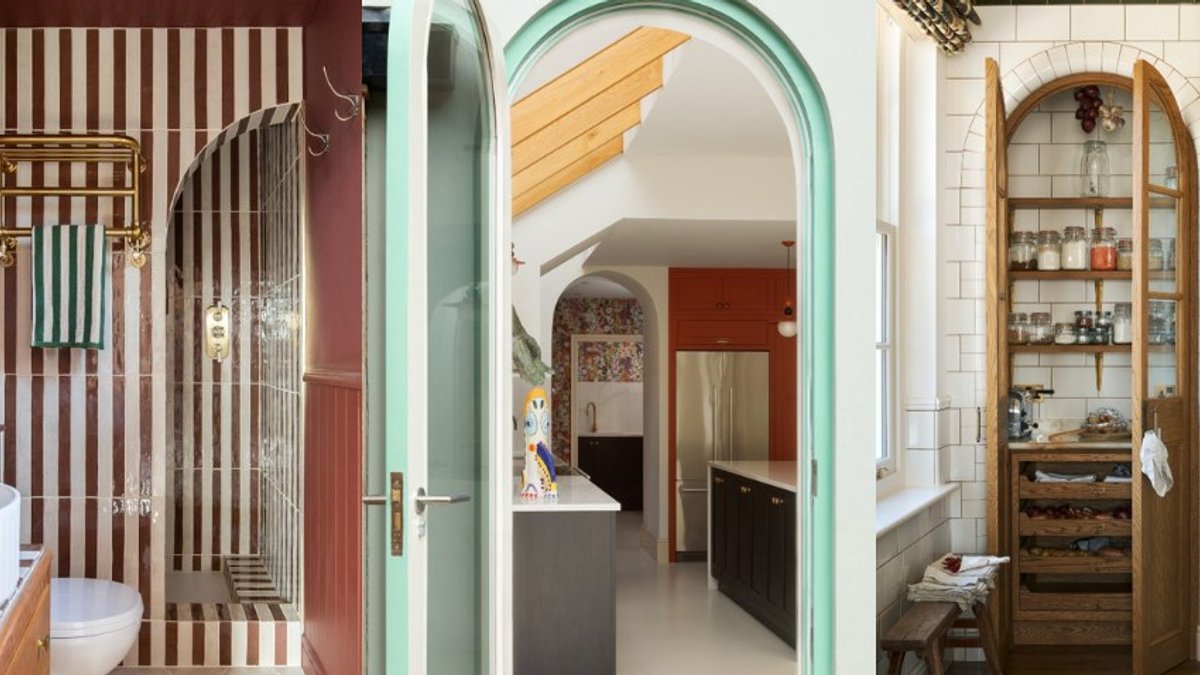
Incorporating architectural curves and arches into residential projects is a growing trend, offering a departure from rigid, linear layouts. These rounded features serve to soften interiors, creating a more organic and fluid aesthetic that can make living areas feel both welcoming and calm. Designers are applying these shapes to structural doorways and small-scale cabinetry.
The use of curved forms is not new, yet their application has shifted from classical architecture to modern, functional spaces. By replacing harsh corners with rounded edges, homeowners can improve the physical flow of a room. This is particularly effective in compact areas where movement paths are often restricted by sharp angles.
Execution of these designs requires careful planning regarding proportion and balance. Bespoke joinery, glazing, and plasterwork involving rounded forms are often more complex and costly than standard straight-line alternatives. Engaging a professional with specific experience in these techniques helps ensure that the final result feels intentional rather than forced. The current turn toward softer geometry reflects a broader move away from sterile, boxy environments toward spaces that prioritize human comfort.
Related: Choosing a Reliable Drain Cleaning Company in Denver, CO
Designers are finding diverse ways to introduce these elements into the home.
In kitchen layouts, curved islands often serve as central focal points. For example, a design by The Vawdrey House uses fluted finishes on a blue island topped with Cipollino Ondulato marble to enhance its shape. Meanwhile, Devol kitchens have featured tiled surrounds to highlight arched doors, with pricing for such installations starting at £30,000.
Smaller additions can also shift the character of a room. Studio Starreveld utilized custom cabinetry that curves around corners to soften a kitchen run.
Related: Picking the right kitchen sink made simple
In bathroom design, these shapes are frequently employed to create spa-like environments.
Bradley Van Der Straeten Architects designed a ceiling with curves for a Victorian terrace extension. Scott Maddux integrated rounded details into oak cabinetry, paired with Barwick hardware in aged brass. Day True utilized smart glass in an arched window to manage privacy in an ensuite.
Beyond structural changes, surface textures play a role in how these shapes are perceived. The use of fluted finishes or specific tile patterns can accentuate the depth of a curved wall or a recessed niche. Whether through the installation of a bespoke bar area by Blank Slate Studio, the intent remains to break up angular lines. Careful selection of materials and hardware often determines the longevity and success of these installations.


