
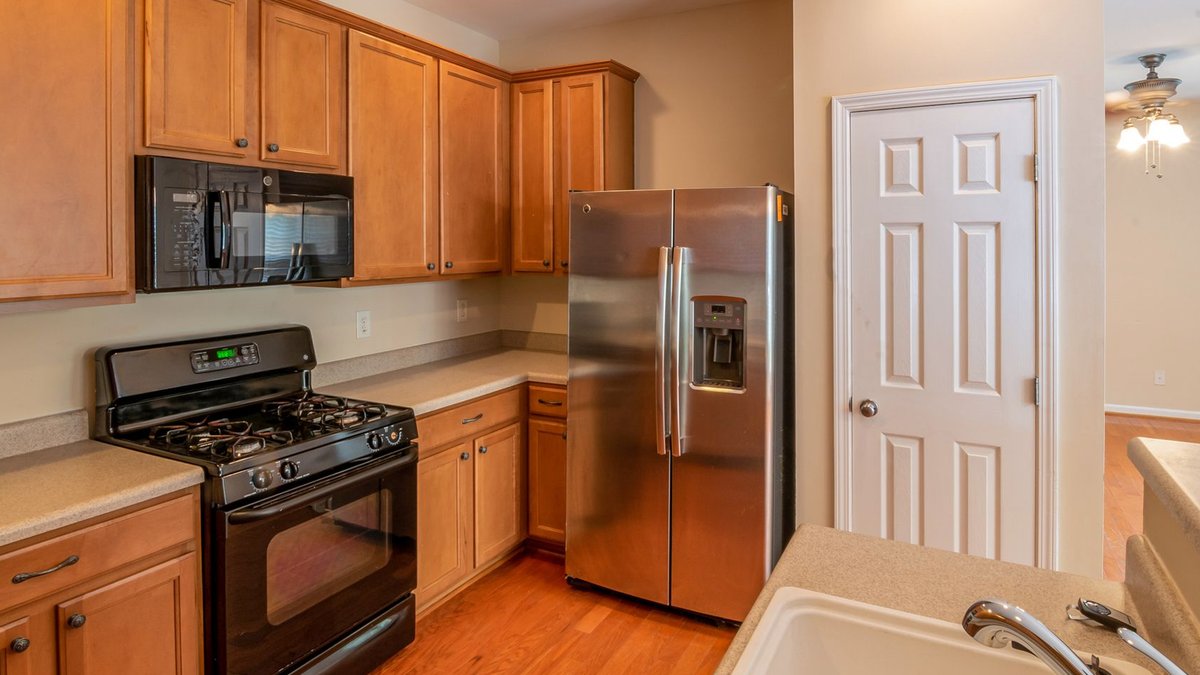
Choosing the right kitchen sink involves more than picking a shape that looks good on a countertop; it also means fitting the fixture into the workflow of daily cooking and cleaning.
Mounting styles and space planning
First, measure the opening where the fixture will sit. Depth matters because a deeper bowl can hold large pots and cut down on splashing, while a shallow option may free up legroom. A single basin can free up counter width, whereas a double arrangement lets you rinse vegetables in one bowl while washing dishes in the other.
Installation type changes the visual profile. Inset models drop into a cutout and keep a small lip around the edge, which helps seal the joint. Flush‑fit designs sit flush with the worktop, giving a seamless look but requiring precise fitting. Under‑mounted styles attach from below, saving countertop real‑estate, though they usually need the faucet mounted on the surface.
Clear space on either side of the basin is advisable. It prevents cramped drying zones and provides room for prep items. The layout should avoid squeezing the fixture into a tight nook, which can impede both usability and cleaning.
Material options and upkeep
Modern options span stainless steel, porcelain, fire‑clay, granite composite, cast iron, marble, and copper. Stainless steel remains popular for its durability and hygienic surface.
Composite blends resist scratches and chips, making them a practical match for engineered stone worktops. Copper offers natural antimicrobial properties and develops a patina over time, while marble delivers a luxurious look but can stain easily.
Related: Vibrant Perennials Brighten Up Front Yards
Fire‑clay and ceramic present glossy finishes but the glaze may chip if struck. Cast iron is heavy and often coated with enamel, providing a classic aesthetic that hides minor dents.
Each material brings a trade-off between visual appeal and maintenance. For example, a marble basin may need regular sealing to ward off stains, whereas a stainless fixture can be wiped clean with a mild detergent.
Choose wisely.
Styling the fixture to the home
Historical context matters. In a period‑style kitchen, a white farmhouse basin of about 90 cm width can echo traditional aesthetics, especially when paired with lower cabinets that hide water splashes. Matching the sill material to the countertop helps protect shallow cabinetry.
Modern extensions often call for contrast. A sleek stainless fixture can stand out against Victorian or Georgian detailing. When the kitchen island includes both a cooking surface and a basin, the layout should allow enough clearance for safe movement. A well‑placed fixture can become a central hub without crowding the cooking zone.
A flexible alternative is to choose a stone cladding for an 1810 sink, to complement the worktop.


