
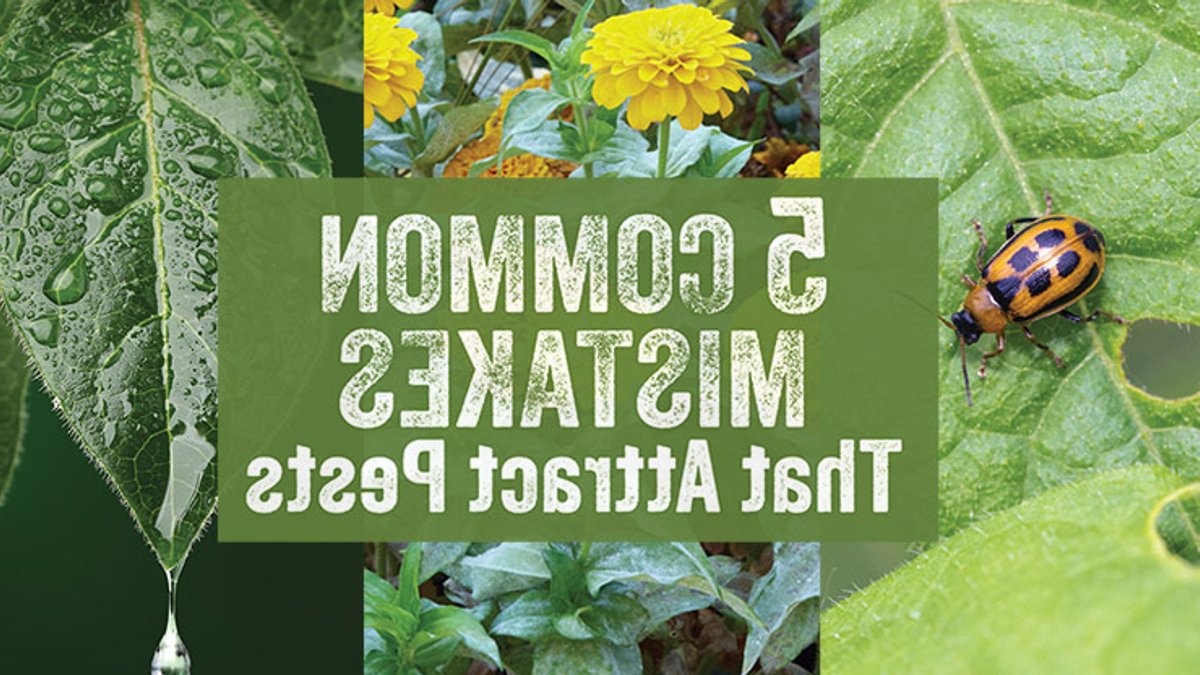
Gardeners often unknowingly invite pests by creating ideal conditions for them to thrive. Even experienced growers can make mistakes that turn their beds into a buffet for bugs and bacteria.
Mulch Missteps
Mulch helps conserve moisture and regulate soil temperature, but applying it incorrectly creates problems. Piling mulch against plant stems creates a damp environment that invites slugs. This “mulch volcano” effect is especially harmful to moisture-loving plants like hostas.
Too little mulch can also stress plants by letting weeds compete for resources. Gardeners should calculate their mulch needs carefully to ensure the soil remains stable and healthy.
Watering at the Wrong Time
Watering in the evening often leaves foliage wet overnight, which creates perfect conditions for fungal diseases and certain insects. Brown patch and dollar spot thrive on damp lawns, while prolonged wetness can lead to powdery mildew on garden phlox and bee balm.
Related: Garden Water Features Get Wildlife Friendly Makeover
Watering in the morning allows plants to absorb moisture before the sun comes up and gives leaves time to dry out. This simple timing adjustment can significantly reduce the risk of disease outbreaks.
Ignoring Soil History
Many pests and diseases are soil-borne and specific to certain plants. Replanting the same crops in the same spot allows these problems to recur and often intensify each year. Rotating crops disrupts the life cycles of these pests by removing their preferred hosts.
It is advisable to avoid planting tomatoes or peppers where disease issues occurred previously. Keeping cucumbers and squash away from the site of a previous squash bug infestation is also a smart strategy. Even simple swaps of vegetable varieties can break the cycle of recurring issues.
Planting too early in spring exposes young seedlings to peak pest activity before they are strong enough to withstand damage. Bean leaf beetles frequently target early-planted green beans, while cucurbits planted at the first hint of warm weather are more vulnerable to squash bugs and cucumber beetles.
Related: Design Lovers Flock to Santa Clara Neighborhood
Tender annuals like petunias and impatiens can attract aphids if planted when nighttime temperatures are still in the 40s and 50s. Aphid populations tend to build rapidly in the spring before beneficial insects become abundant enough to control them. This vulnerability extends to cool-season crops like lettuce and spinach, which may attract late-season pests if left in the garden too long.
Cleaning Up Debris
Leaving dead leaves and spent plants in the garden over winter provides insulation that allows pests and diseases to survive the cold months. Squash vines can harbor eggs of squash vine borers, and tomato debris can carry blight spores into the next season.
Removing infected material before winter helps break these pest cycles. While healthy debris can often be composted or left in place, anything that looks suspicious should be discarded to prevent spring infestations.


