
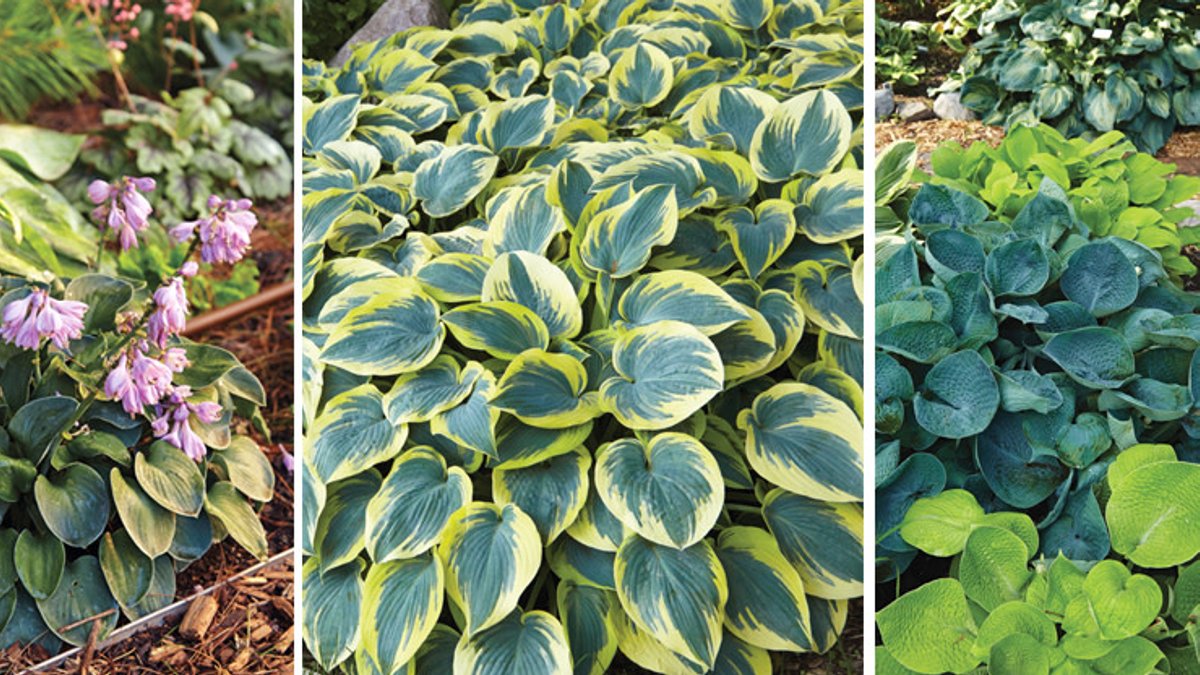
Blue hostas add a distinctive hue to shade gardens, with foliage ranging from frosty gray-green to deep slate. These perennials keep their color throughout the growing season, offering steady appeal in low-light areas. A waxy coating on the leaves, known as a “bloom,” reflects light and deepens the blue effect, though it weakens under intense afternoon sunlight.
The wax behind the color
The glaucous layer on hosta leaves creates their blue appearance. This powdery coating is thickest on new growth, giving young leaves a richer tone. Over time, the wax wears away, and the foliage often turns green. Morning sunlight preserves the color best, while hot afternoons speed up fading.
Hostas seldom keep their blue when grown from seed, so divisions remain the only dependable propagation method. Online promises of “glowing royal blue” hostas from seed are misleading—no variety reaches that level of intensity. Gardeners should instead seek established cultivars with a track record of performance.
Eleven blue hostas worth planting
The American Hosta Society’s annual award highlights varieties that perform consistently in gardens. ‘Elegans’ has been a favorite since 1905. Its large, corrugated leaves begin blue-gray in spring before shifting to a smoky green. White flowers with lavender hints appear in midsummer, rising just above the 3-foot-tall clumps.
This variety works well in mass plantings or alongside early bloomers like bleeding heart or tulips. Mature clumps can spread 4 feet wide, so they need space. Smaller plants, such as brunnera, help cover exposed stems without competing with the bold foliage.
For a more sculptural look, ‘Abiqua Drinking Gourd’ has deep blue-green leaves so cupped they hold rainwater. The textured foliage resists slugs, and white summer flowers draw hummingbirds. It performs best as a focal point near entryways or in containers, where its shape stands out.
Related: Photographer Publishes New Floral Collection Book
Choosing companions
These plants work best with species that enhance their cool tones or add texture. For early interest, bleeding heart and tulips bloom before hostas reach full size.
In containers, larger types, such as ‘Elegans’, need space and benefit from underplantings. The key is balancing proportions—small foliage can vanish next to broad hosta leaves, while bold companions may overwhelm delicate varieties.
Hostas prefer part to full shade with moist, well-drained soil. Morning sun improves color, but afternoon heat can damage leaves. Regular division keeps clumps healthy and prevents crowding, though some varieties spread slowly and need less frequent splitting.
While these plants require little care, their blue color doesn’t last all season. Gardeners seeking year-round blue might add evergreens. For seasonal impact in shady areas, few perennials match the subtle presence of a well-placed blue hosta.
Garden borders gain structure from these plants.
Their foliage provides a steady backdrop for lively garden borders throughout the growing season.


