
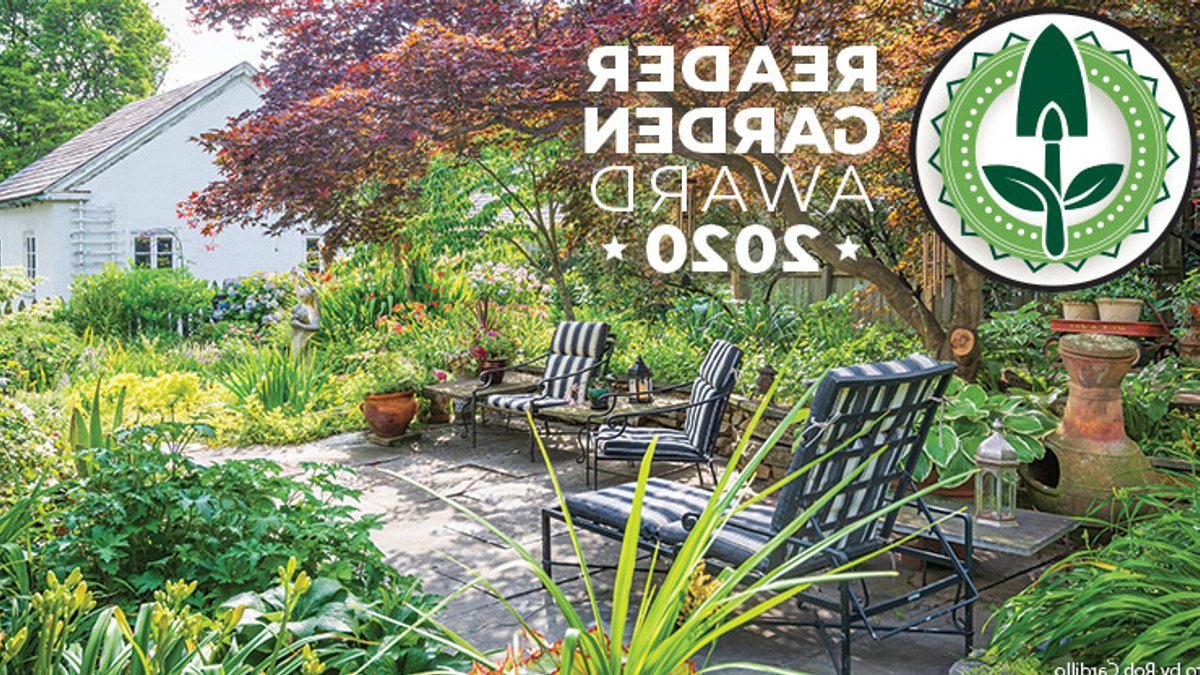
Anne Barone, a physician and single mother in Baltimore, has spent two decades turning a neglected urban lot into a thriving garden. The space now shelters koi, pollinators, and seasonal blooms. She purchased the bungalow with its green-tiled roof in 2000, drawn to the house she had long admired.
From Clay to Compost: A Garden Takes Shape
Barone’s early efforts were inconsistent. She removed dying Eastern white pines, planted leatherleaf viburnum along the back fence, and built a patio and retaining wall to manage the slope. The heavy clay soil frustrated her, and she admitted to lacking enthusiasm for gardening at first. About ten years ago, she began taking classes, visiting other gardens, and improving the soil with composted manure. Over time, a 75-by-125-foot retreat emerged, complete with a koi pond, pollinator garden, vegetable deck, and winding pathways.
The front yard establishes the garden’s character. Barone replaced the sloped lawn with Allegheny spurge and lined the steps with Knock Out roses. Green-glazed urns, planted with dwarf Alberta spruce, match the roof’s Mediterranean tiles. Most of the garden unfolds in the side and back yards, where she layered textures, colors, and functions.
Related: Affordable lawn care programs boost growth
A Pond, a Deck, and a Garden
The original wooden deck required annual staining. Barone replaced it with low-maintenance composite decking over five years, calling the change a relief. The deck provided enough space for a 7-by-12½-foot pond, dug two feet deep by a local contractor. Now, lotus and water lilies bloom above koi that swim to her when hungry. “The koi hibernate in winter,” she says. “Their return in March is always exciting.”
A tiled wall behind the pond holds a fountain and window boxes. An 8-foot-wide raised planter on the deck grows herbs and vegetables, which she shares with friends. A trellis supports tomatoes and cucumbers. Nearby, a special statue watches over the pollinator garden.
The sunniest area is reserved for pollinators. It began with a few giant hyssop plants attracting bees. Anne values their presence and continues to cultivate plants that support them.
Related: Dark blooms transform eerie garden spaces
Not every plant was new. When clearing the pines, Barone kept a Japanese maple and two crape myrtles, underplanting them with hydrangeas, hostas, and ferns. She values their long bloom time and variety.
Her method is flexible. Barone moves plants, repeats successful combinations, and experiments with new ideas. “Some plants perform better than others,” she says. “If they don’t work, I try something else.” The garden remains a work in progress, reflecting her changing tastes. “I enjoy creating beauty,” she says, “and I’m always refining it.”
For shade, she uses hostas, ligularia, and hakonechloa, arranging them in different ways to keep the space dynamic. The result is a private retreat in the city, both deliberate and full of life.


