
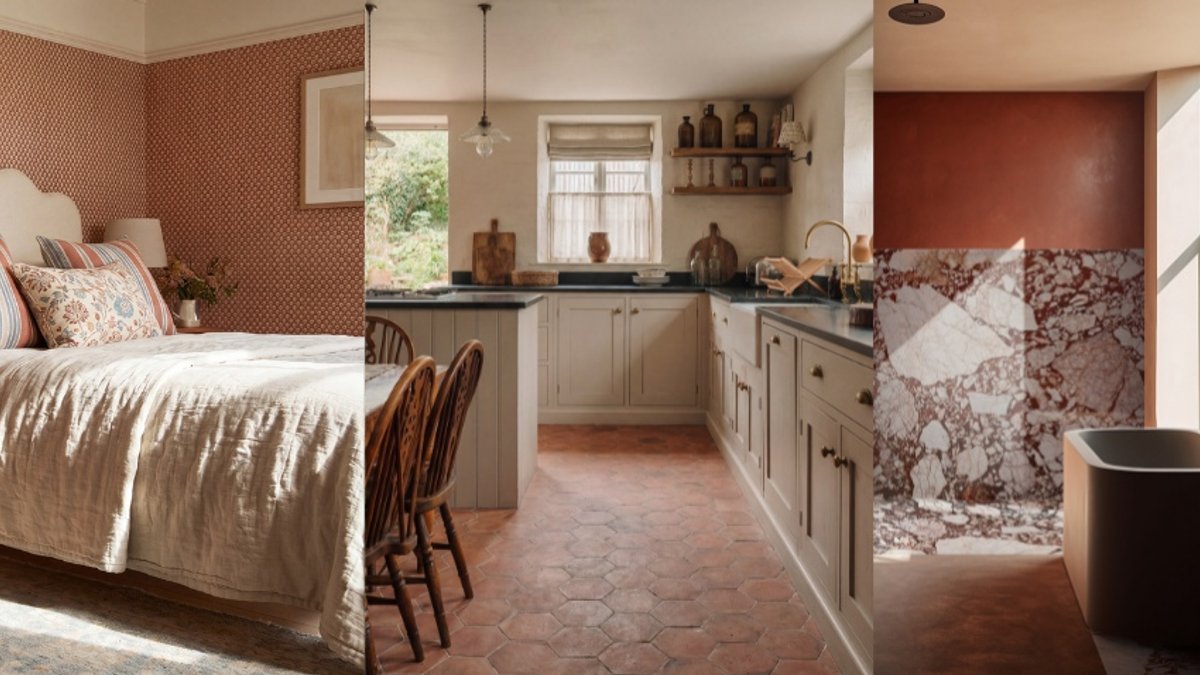
Interior design trends often cycle back to earthy tones, and terracotta is currently leading that charge. Once strictly associated with Mediterranean settings, this baked clay material has firmly established itself in modern homes. Designers say it is no longer a quiet background element but a central feature of living spaces.
Lauren Kavanagh, an art director at Hovia, notes that the material has been building momentum for years before this current wave. “Terracotta isn’t new, but it’s firmly having a moment,” Kavanagh explains. Grazzie Wilson of Ca’ Pietra agrees, stating that if asked which tile is leading the charge, they would answer terracotta without hesitation. The appeal lies in its tactile nature and warm, organic color palette, which helps create a relaxed atmosphere that many homeowners find appealing.
The material offers a distinct visual quality. It has the ability to feel both familiar and fresh, wrapping a room in warmth while providing the depth and character that cooler, sharper finishes often lack. This creates a “laid-back scheme reminiscent of balmy summers,” according to Wilson, who suggests the trend reflects a growing desire for spaces that feel less pristine and more lived-in.
For those who prefer a more neutral tone, the material offers versatility. Depending on how it is styled, terracotta can feel rustic, contemporary, or refined. It answers a growing desire for homes that offer comfort, softness, and a sense of escape, moving beyond a simple visual trend toward a specific feeling.
Practical applications in the home
The most common use for terracotta remains flooring. Its imperfect finish complements country-style designs but also works well in contemporary spaces. Because it is hardwearing, it is a practical choice for kitchens. Mike Whitfield of Lusso highlights its durability, noting that it can be crafted into everything from kitchenware to tiles. When finished properly, the naturally porous material is sealed to protect it from dirt, making it easy to wipe away marks and dust.
For those concerned about maintenance, LVT offers a similar aesthetic with significantly less upkeep. Paul Humphries points out that unlike natural clay tiles, LVT does not require sealing and is more resistant to stains, moisture, and everyday wear.
Bathrooms have also adopted the material. Grazzie Wilson explains that terracotta fits well within the current shift toward spa-inspired interiors, which emphasize atmosphere, materiality, and a slower pace of living. Underfoot, it introduces warmth that softens the room and adds texture. Pictured on the upper half of the wall are the Ronda Décor tiles, £50 per sq m, Porcelain Superstore.
Designers suggest using banquette seating to maximize floor space while maintaining a grounded aesthetic in dining areas. The material’s adaptability makes it suitable for both rustic and contemporary settings.
Storage solutions also benefit from this earthy trend. Maximizing bedroom storage with wooden units creates a seamless blend with terracotta accents.


