
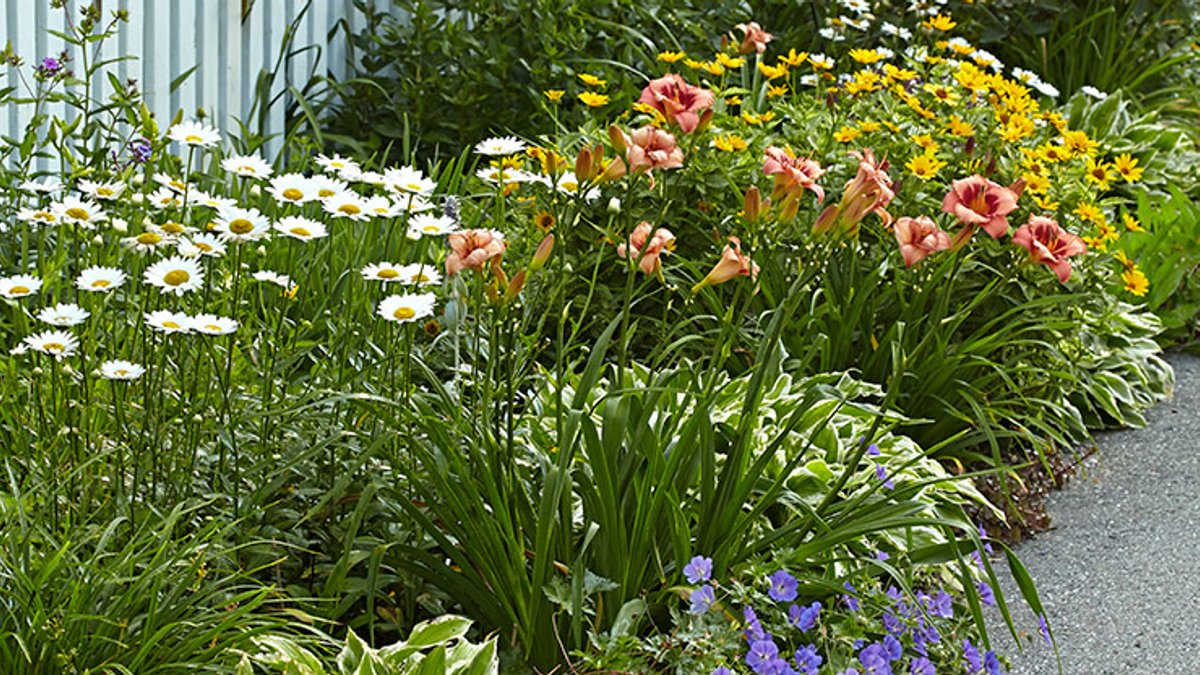
Maintaining a summer garden requires more than just irrigation, though watering often consumes the most time. To keep flowers and vegetables healthy throughout the season, gardeners should address specific maintenance tasks that encourage growth and prevent common stress issues.
Petunias typically grow and bloom vigorously when first planted, but rising summer temperatures often cause stems to stretch and flowering to taper off. As blossoms fade, the plant shifts its energy toward seed production. Once blooming slows and the plants become leggy, they can be revived by trimming off up to one-third of the stem length.
Gardeners can use their thumb and forefinger to pinch the end of each branch just above a leaf node. This process, known as pinching back, removes spent blossoms so the plant does not waste energy on seeds. It encourages the development of side shoots, keeping the plant full. If done on a few branches weekly, the task remains manageable. For those who prefer to avoid sticky plant residue on their hands, scissors or garden snips work effectively.
Related: Late-Season Salvias Bring Color to Gardens
Protecting Vegetables from Heat Stress
While vegetables like tomatoes and peppers require full sun, they can suffer in extreme heat. Conditions above 80 degrees Fahrenheit may cause flowering and fruiting to stall, while higher temperatures lead to wilted plants, scorched leaves, or sunscald on fruit.
When temperatures exceed 90 degrees for several days, erecting temporary shade protects plants from intense sun. Shade cloths or row covers are suitable materials, ideally hung over PVC hoops or bamboo stakes. The shade should be positioned to protect the entire plant when the sun is highest, placed at least 2 to 3 feet above the top leaves. White shade cloth reflects light and heat, creating a cooler environment underneath, whereas black cloth absorbs heat and may remain hot.
This protective measure mirrors how plants naturally seek shelter in dense ecosystems; by artificially recreating that shade, gardeners mitigate the plant’s biological response to stress, which prioritizes survival over reproduction or growth. It is a method of intervention that disrupts the natural cycle of dormancy or death triggered by intense solar exposure.
Related: Essential Home Decor Skills to Learn Young
Managing Bolting and Flopping
Fall-blooming asters can grow tall and flop over in the garden. To create a fuller, bushier plant that stands upright, gardeners should trim them by a few leaves midsummer. A harder cut, removing one-third to one-half of the stem, is also effective. Stems should be cut at different heights—shorter in front and taller in back—to ensure flower visibility in the fall. It is important not to cut back asters too late in the summer, as this removes developing flower buds.
Cool-season vegetables such as spinach and lettuce often bolt due to high temperatures and long days. Once bolting starts, these plants elongate, form flowers, and develop a bitter taste. Other crops, like kohlrabi or radish, become woody. To extend the season, gardeners can choose bolt-resistant varieties, water regularly, and mulch the soil to keep roots cool. Shading plants can lower the air temperature underneath by up to 10 degrees. If flowers form, pinching them off may provide a few extra weeks of harvest.
Weed Control and Vacation Care
Annual weeds compete with garden plants for water and soil nutrients. Eliminating weeds like crabgrass or ragweed before they set seed reduces future problems. Pulling is easiest when the soil is moist and plants are small. However, pulling mature weeds in dry soil disturbs the earth, potentially bringing buried weed seeds to the surface.
Related: Photographer Publishes New Floral Collection Book
When weeds are too large and the soil is hard, cutting them off at ground level is a viable alternative. Since these are annuals, they will not return next year. If the weeds are not diseased, the cut tops can be left in the garden as mulch, cooling the soil and conserving moisture as they decompose.
For gardeners leaving town for a week or two, container plants require special attention. If a sitter is unavailable, several tricks can maintain hydration. Pots should be watered thoroughly until liquid drains from the holes before departure. Moving containers to a shady spot out of the wind reduces evaporation.
- Cover exposed potting mix with 1 to 2 inches of mulch.
- Bury a water-filled soda bottle upside down in the soil to release moisture slowly.
- Set up a drip irrigation line on a timer or use a smart timer.
- Plant in self-watering containers and fill reservoirs before leaving.


