
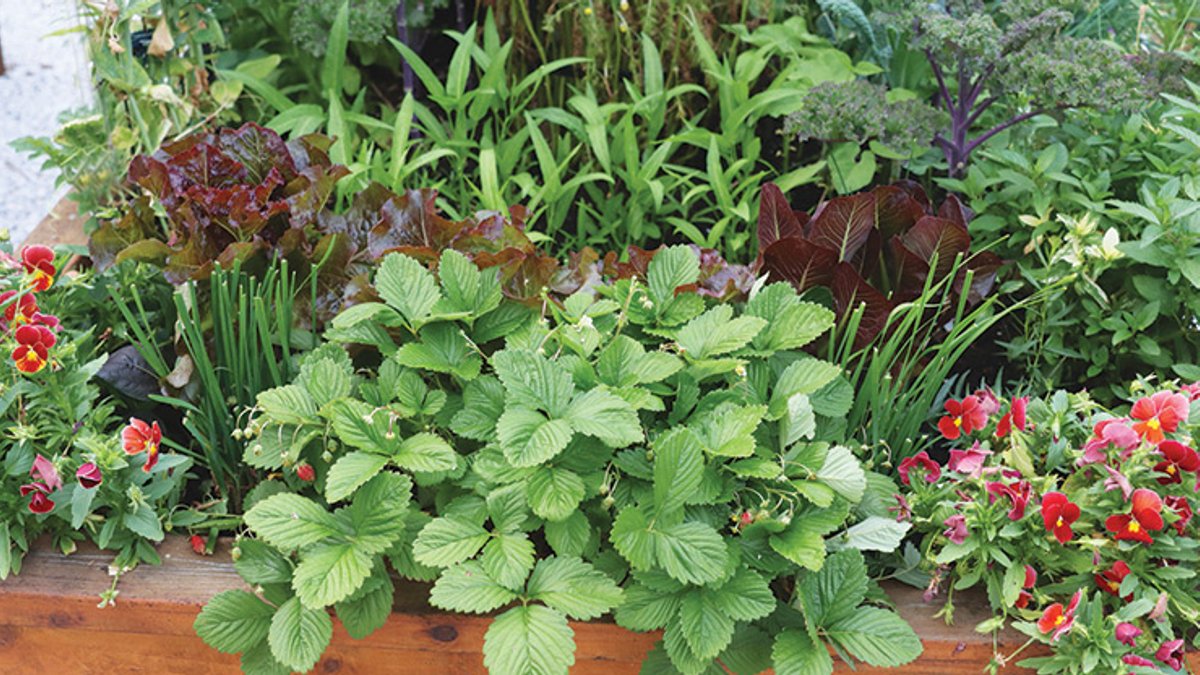
For gardeners, creating a beautiful and bountiful garden can be a challenging task, but with the right techniques and materials, it’s achievable. Resh Gala, a seasoned gardener and author, has learned that not everything will be perfect in gardening, but with determination and the right strategies, one can overcome common struggles.
Resh’s specialty is intensively planting herbs, flowers, and vegetables together in raised beds that are both visually striking and productive. She recommends polyculture gardening, which involves growing several types of plants together in the same space, mimicking nature and reducing pest problems.
Benefits of Raised Garden Beds
Raised beds have many benefits, including being easy to maintain, allowing for soil quality control, and making the most of small or awkward areas. They also make tasks like watering, harvesting, and rotating crops easier to plan and execute.
Raised beds can go almost anywhere, from tight corners to patios or even rooftops, and are completely customizable. The foundation of a good garden is healthy soil, and raised beds allow gardeners to start growing right away, even if the soil in the ground is nutrient-poor.
Creating a Productive Raised Garden Bed
To create a productive raised garden bed, Resh recommends making her own compost in a compost tumbler with kitchen scraps and pine pellets. She top-dresses beds with 3 to 4 inches of compost every fall and side-dresses with more when plants are starting to produce and set fruit.
Related: Six Smart Tips For Summer Gardens
When it comes to planting, Resh likes to use a combination of plants that confuse pests and attract beneficial insects, such as beneficial insects. For example, she often plants a border of herbs around her raised beds, using it as the first line of defense against insects.
Some of her favorite beneficial plant pairings include broccoli, chives, and sweet alyssum, as well as eggplant, sage, and pot marigolds.
Resh’s Approach to Gardening
Resh’s approach to gardening is a great example of how, with the right mindset and techniques, gardeners can overcome common challenges and achieve success. Her emphasis on polyculture gardening, soil quality, and pest management can be applied to a variety of gardening situations, making her a valuable resource for gardeners of all levels.
Every year is different in gardening. Resh notes being adaptable and willing to learn from failures is key to success.
By following her tips and strategies, gardeners can create a thriving and productive garden, even in the face of challenges and setbacks.


