
Conifers, the evergreen plants that grow from seed‑bearing cones, are gaining attention among gardeners for their year‑round color and low‑maintenance habits.
Using Conifers for Privacy and Structure
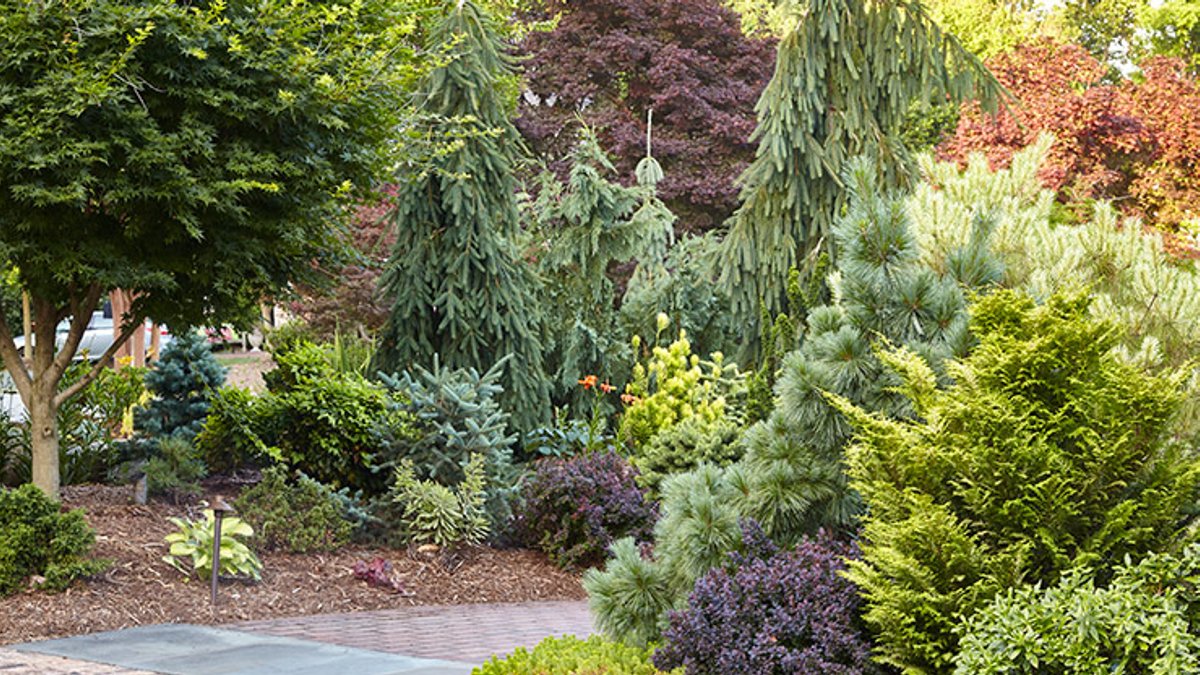
One of the most practical ways to employ conifers is as natural privacy screens. Dense foliage can block both sight and sound from busy streets, creating a calmer backyard atmosphere. A typical front‑yard setup might pair a Japanese maple with a golden black spruce (Picea mariana ‘Golden’) and a Japanese red pine (Pinus densiflora ‘Golden Ghost’). The evergreen habit ensures the barrier remains effective long after seasonal flowers have faded.
When planting for privacy, consider the mature size of the tree. A larger spruce can serve as the backbone, while smaller junipers or dwarf pines fill gaps. Minimal pruning—usually just an occasional trim with hand pruners or a bypass lopper—keeps the shape tidy without extensive effort.
Creating Visual Interest with Color and Form
Contrast in shape and foliage color adds dynamism to a garden. A street‑side composition might feature a weeping white spruce (Picea glauca ‘Pendula’) next to a tiger tail spruce (Picea polita) and a silver‑ray Korean pine (Pinus koraiensis ‘Silver Ray’). The differing needle textures and hues create a lively backdrop for maples and other deciduous companions.
Related: Tough deer resistant Epimedium thrives in shade
For a winter‑focused display, mix these evergreens with early‑blooming shrubs. A border planting could include dawn redwood (Metasequoia glyptostroboides ‘Ogon’), blue atlas cedar (Cedrus atlantica ‘Horstmann’), and Colorado spruce (Picea pungens ‘Shilo Weeping’). Even when snow covers the ground, the varied shades of green and blue keep the scene engaging.
In a broader sense, the appeal lies in the ability to provide structure without dominating a space. Upright forms, such as a silvery‑blue variegated Korean pine, can serve as a backdrop for seasonal perennials, letting the softer colors of flowers stand out while the tree maintains a steady visual anchor.
Boosting Curb Appeal and Architectural Features
Evergreen trees are a reliable way to enhance curb appeal, especially when combined with ornamental shrubs. A streetside display might showcase a mix of Norway spruce (Picea abies ‘Pruhoniciana’) and weeping white spruce, alongside Hinoki cypress (Chamaecyparis obtusa) and barberry. The contrast between deep green and bright berries creates a striking, year‑round tableau.
Architecturally, they can define the lines of a garden bed. Pair a weeping white spruce with a dwarf flowering plum and a pair of Japanese maples, and the differing growth habits produce a layered effect that guides the eye across the planting.
Related: Gardeners Share Fall Cleanup Tips
While many gardeners hesitate to start a collection, the modest effort required for maintenance makes them accessible. Simple protective measures—like wearing leather gloves with gauntlets—help avoid needle scratches, and cleaning tools with alcohol or baby wipes removes sticky sap promptly.
They thrive with little care.
Overall, the versatility means these evergreens can be woven into nearly any garden design, from privacy barriers to decorative focal points, providing lasting greenery with minimal upkeep.


