
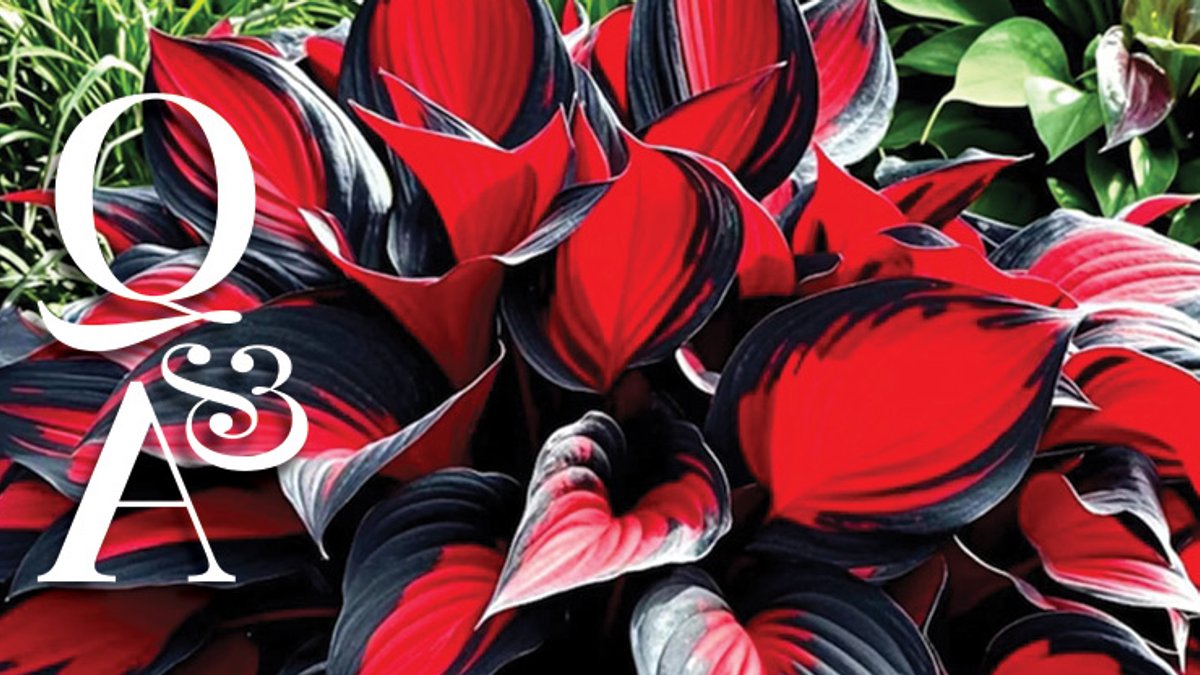
Consumers looking for vivid hostas often encounter ads promising bright blue, red or purple foliage, but the reality is far less colorful.
Misleading claims dominate online hosta seed listings
Advertisements that showcase hostas in electric shades typically rely on edited photographs. According to the site’s own Terms of Use, the seller disclaims responsibility for any mismatch between the images and the actual plants delivered. This disclaimer suggests the pictures are not reliable evidence of product quality.
Current horticultural records confirm there are no true blue, vivid red or deep‑purple hosta cultivars. The genus Hosta, while diverse, does not produce foliage in those extreme hues. What growers can find are varieties with subtle gray‑green tones, occasional burgundy highlights on leaf stems, or yellowish foliage that brightens under partial sun.
For gardeners who prefer certainty, the recommendation is to purchase from local nurseries or well‑established online retailers that stand behind their inventory. Such sources are more likely to provide accurate descriptions and replace plants that fail to match expectations.
What genuinely colorful hostas are available
Although vivid reds remain elusive, several cultivars display red or burgundy petioles that can add a splash of color. Similarly, “blue” hostas are better described as having a cool gray‑green or blue‑green leaf surface, often with a waxy coating that enhances shade tolerance.
Yellow and gold foliage varieties thrive in dappled light, showing their brightest tones when exposed to a few hours of sunshine each day. Gardeners seeking contrast can mix these with the more muted blue‑green types to create layered shade‑garden designs.
While some growers promote “new introductions,” the market has not produced a hosta with truly fluorescent foliage. The limited palette reflects the plant’s genetic constraints.
Related: Gardeners Embrace Conifers with Seven Creative Uses
Looking ahead, the modest range of colors suggests that expectations should be tempered. Gardeners might focus on texture, leaf shape, and the subtle shifts in hue that occur as the season progresses, rather than chasing impossible shades.
For those still interested in exploring hosta diversity, reputable vendors often feature sweepstakes or special offers, such as a chance to receive three distinct varieties from specialty growers. Participating can be a low‑risk way to test new selections without a large upfront investment.
The distinction between actual and advertised colors can be attributed to the genetic limitations of the Hosta genus. The absence of certain pigments restricts the possible range of colors, resulting in a more subdued palette. This understanding can help gardeners set realistic expectations when selecting hostas.
In addition to color, hostas offer a range of textures, from smooth to corrugated, and varied leaf shapes, including lance-shaped, ovate, and rounded. These characteristics can add depth and visual interest to shade gardens, making them a valuable component of setting design.
When selecting hostas, gardeners should consider factors such as climate, soil type, and available light. By choosing varieties that are well-suited to their specific conditions, gardeners can create thriving and diverse shade gardens that showcase the unique qualities of these plants.
The process of evaluating and selecting hostas can be facilitated by consulting with local nurseries or online retailers that specialize in these plants. These experts can provide guidance on the best varieties for specific conditions and offer advice on how to care for and maintain hostas to ensure optimal performance.


