
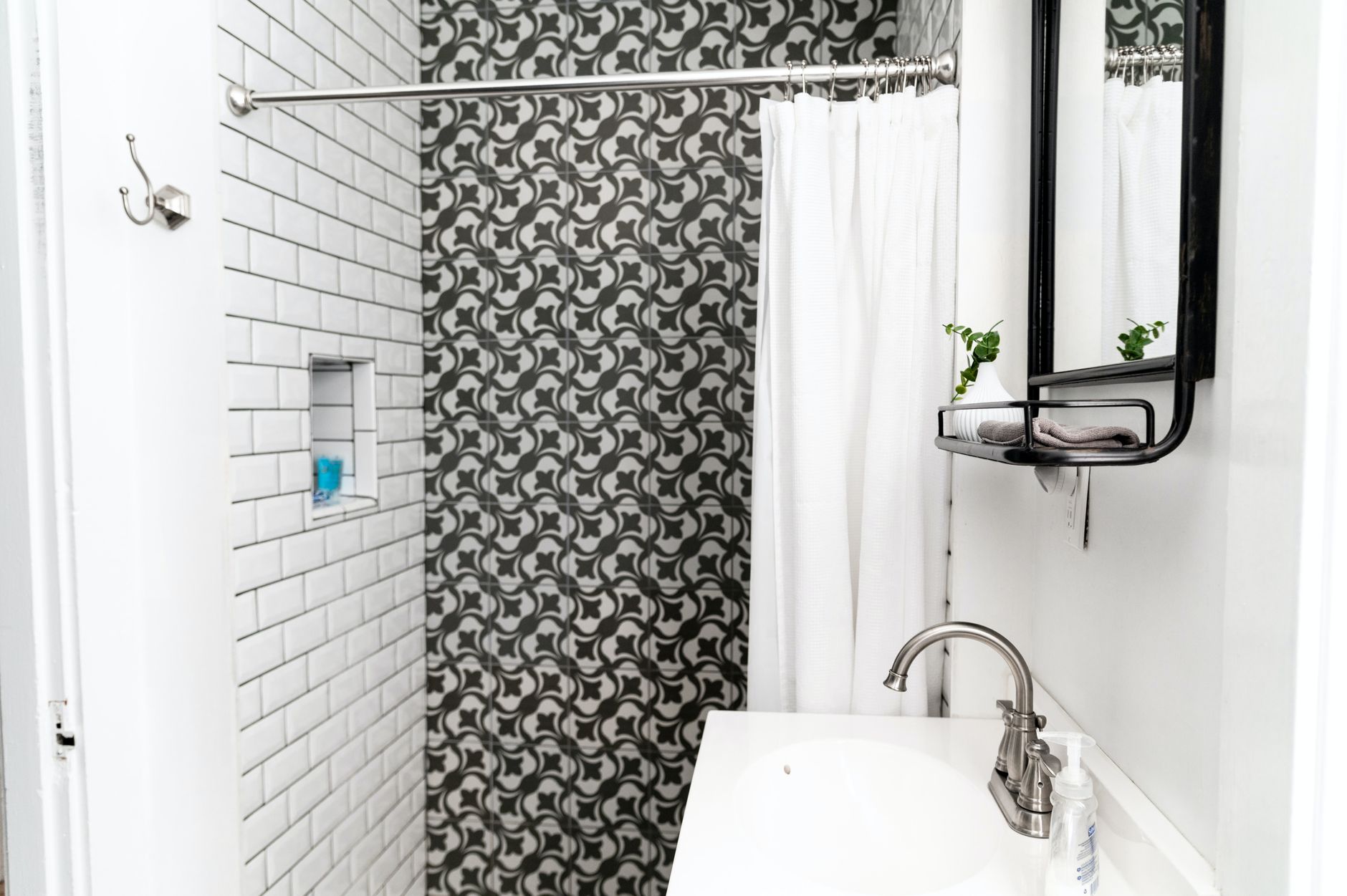
Choosing between a shower curtain and a glass screen isn’t just about aesthetics—it’s a practical decision shaped by design preferences and maintenance needs. Interior designers and homeowners often debate the merits of each option, with arguments leaning on both visual appeal and long-term usability. The discussion, while not universally heated, highlights how personal style and bathroom layout influence the choice.
Shower Curtains: Softness and Customization
Many interior designers favor shower curtains for their ability to add texture and color to a bathroom. Lonika Chande, known for her fabric designs, argues that curtains offer “an opportunity to add fabric and potentially color to what typically can be a more utilitarian space.” This approach allows for creative expression, from trims to backing fabrics, creating a “theatrical feel” in the bathroom.
A practical solution involves layering a waterproof liner behind a decorative fabric curtain. Lonika explains this method keeps the curtain “long lasting and easy to maintain.” Kate Guinness, who typically supports glass screens, notes that the liner is placed inside the bath while the fabric remains outside, avoiding the unsightly look of a curtain tucked into the tub. Replacing the liner when it shows wear or mold is a simple fix that preserves the room’s appearance.
Related: Lana Condor’s home through 80 phases becomes sanctuary
For those seeking a ready-made option, Kate recommends “Balineum has lovely shower curtains.” Pernille Lind, a glass screen advocate, adds that a curtain could work well around a freestanding tub, especially with an oval pole suspended from the ceiling. She points to Catchpole & Rye as a supplier with a suitable design.
Glass Screens: Clean Lines and Visibility
Supporters of glass screens, including Kate Guinness and Pernille Lind, highlight their ability to maintain a “cleaner look” and preserve visibility of design elements like tiles or stone finishes. Pernille often creates bespoke screens using materials like brass or powder-coated finishes to match a bathroom’s color scheme.
However, challenges arise in smaller spaces. Emma Ainscough notes that screens can be tricky due to door swings, and sliding or bifold designs “often have bulky frames.” These issues may make glass screens less ideal in compact bathrooms, where space efficiency is critical.
Related: Time To Store That Matress!
Despite these drawbacks, a well-designed glass screen can enhance both style and functionality. Emma Ainscough, who prefers curtains, acknowledges that screens can shape a bathroom’s overall look, whether through modern minimalism or bold statement tiles. The choice ultimately hinges on balancing visual appeal with practicality.
Within the design community, shower curtains appear to hold an edge. Their versatility in texture and color allows for personalization that glass screens struggle to match. Yet, glass screens remain a viable option for those prioritizing openness and ease of cleaning. The decision, as always, comes down to individual needs and the specific aspects of the bathroom space.


