
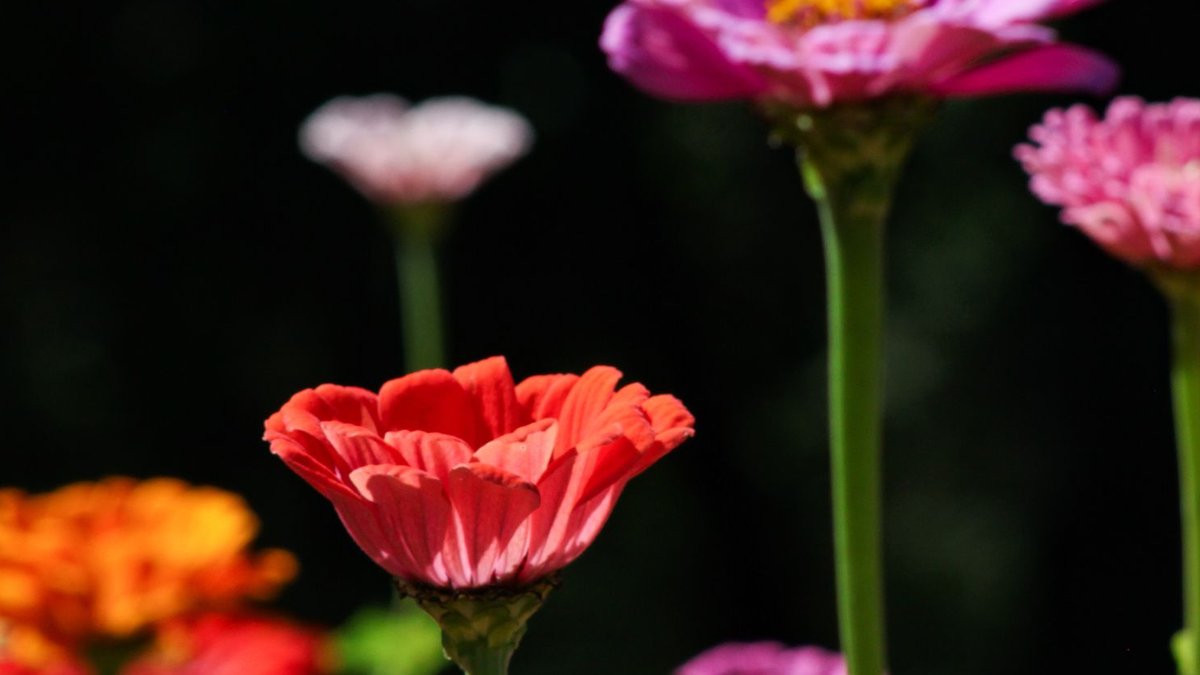
Zinnias, the summer garden staple known for bold reds and yellows, are undergoing a subtle transformation. Breeders nationwide have spent years developing softer shades—peaches, blushes, and muted neutrals—that differ from the traditional saturated colors.
The new zinnias appear entirely different
These flowers no longer resemble the bright, almost cartoonish blooms that once filled roadside stands. Instead, breeders aim for varieties that feel luxurious enough to serve as focal flowers in arrangements. Tiffany Jones of Blomma Flower Farm in Nevada describes them as “a cut-and-come-again bloom that looks luxurious enough to be a focal flower, captivates the buyer, can only be bought locally, and will fill a market bouquet with fewer flowers. There’s no digging or storing; they are quick to germinate, take plenty of heat, don’t need a lot of water, and are exceptionally easy to grow.”
Erin Benzakein of Floret in Washington pushes the idea further. She works to create zinnia alternatives for nearly every imported flower, hoping to reduce reliance on carnations and roses. “Rather than importing carnations or roses, I think there can be a lot more varieties of zinnias,” Erin says. “I have blush-colored zinnias in every shape and size, from the size of a marble all the way up to the size of a hand.”
The movement extends beyond small farms. Johnny’s Selected Seeds, a Maine-based research farm, introduced three new color mixes last year and another this year. Their catalog now includes pale pink ‘Ballerina,’ creamy ‘Linen,’ peachy two-toned ‘Aurora,’ and sunset shades in ‘Agave.’ Hillary Alger at Johnny’s Selected Seeds said the breeding team there started selecting for unusual colors in 2018. “Over many years of trialing all sorts of varieties, we observed color variation in open pollinated mixes that did not exist in commercially available varieties. Specifically pale pink was a very intentional target, but other colors were as well, such as some of the more subtle and muted hues found in ‘Agave’ and ‘Aurora.’ We set out to see if we could stabilize some of those special colors while also selecting for doubleness and a strong plant habit at the same time,” Hillary said.
Developing new zinnia varieties is slow and methodical
Most of the work happens in backyards and small farms, where breeders share advice online in a collaborative spirit. Financial rewards are rare. The process spans years—at least six from initial selection to seed sales—and demands patience and perseverance.
Related: Namaqualand to bloom spectacularly in 2026
One variety, ‘Prairie Peach,’ has peachy pink lower petals and pale yellow upper petals. The flowers are big and fluffy, and the pale centers make them glow in a bouquet. Plants are tall and strong, germination is robust, and seed is not expensive. Learn more about the development of ‘Prairie Peach’ on my website.
For those interested in trying, the steps are straightforward. Grow specialty colors alongside an open-pollinated mix and let bees cross-pollinate naturally. Alternatively, isolate an exceptional bloom before pollination. Cover unopened buds with organza bags to prevent unwanted crosses, then use a small paintbrush for hand-pollination. The method is simple but time-consuming, with results visible only the next year.
Large commercial operations avoid this work. The market is too niche to justify the investment, leaving opportunities for hobbyists and small-scale growers. Their efforts introduce a steady stream of unique genetics into the market, each variety slightly distinct.
Floret has temporarily halted seed sales while refining its varieties. Its website continues to serve as a resource, offering guidance on cultivation and breeding techniques.
The shift toward experimentation has begun, but much remains unexplored. What began as a search for softer colors has evolved into a broader effort to produce flowers that are easier to grow, more adaptable, and as visually striking as the imports they aim to replace. The floral photography series by Carla Coulson captures similar trends in botanical artistry, highlighting how subtle hues are reshaping floral design.


