
Summer gardening often involves more than just planting flowers; it requires managing pests and making the most of available space. A collection of reader-tested solutions offers practical ways to deal with garden challenges without spending a lot of money. These tips range from using household items to deter pests to repurposing old equipment for new purposes.
Deter Snails with Eggshells
Slugs and snails frequently damage plants like hostas, but gardeners have found a simple method to stop them. Constance Larson, who lives in Idaho, discovered that ground eggshells act as a barrier. She crushes the shells and places them around her hostas to discourage pests from crossing the line.
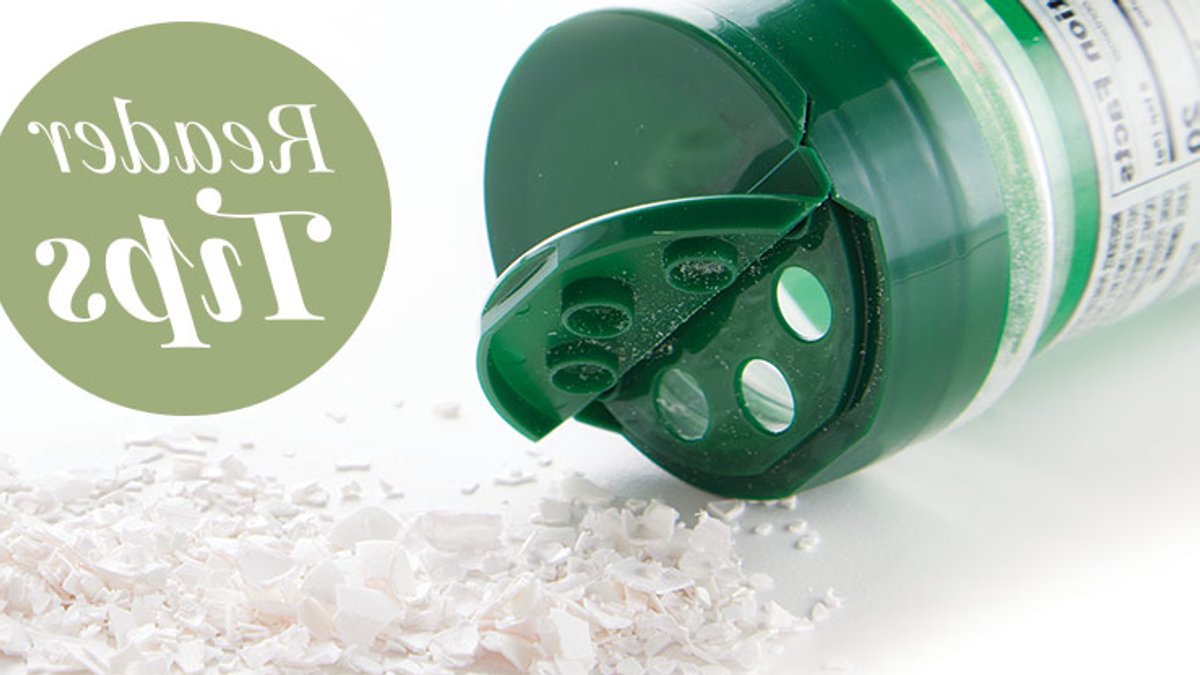
Using a grated parmesan cheese shaker makes the application easier. The durable plastic container dispenses the shells through the lid holes. After washing out the container and letting it dry, she fills it with clean, dry eggshells. This approach keeps the area around her plants free of slimy intruders.
Keep Birds from Nesting in Gutters
Birds sometimes choose unsafe or inconvenient locations to build nests, such as rain gutters or light fixtures. Jim Fameree, from Wisconsin, developed a method to scare them away using two unexpected items: an old tuna can and a golf ball.
He places a tuna can where birds might try to land, such as near a gutter or siding. The can is balanced so that if a bird touches it, it falls and makes a loud clanging noise. For flat surfaces like light fixtures, he secures the can to the top and puts a golf ball inside. When the bird lands, the ball rolls around and startles them, causing them to fly away.
Rotate Containers for Year-Round Color
Keeping container gardens looking fresh throughout the summer can be expensive if you buy new plants constantly. Richard Sunberg, of Ohio, uses a rotating system to save money and maintain his front yard display. He plants seeds and seedlings in backyard pots at the same time he plants spring containers in the front.
By the time the front containers start to fade, the seed-grown plants in the back have matured. He swaps the faded plants for fresh ones at the front entrance. In the backyard, he refreshes the empty spots by pulling out spent plants, adding potting mix, and reseeding with cool-season varieties that will be ready by fall.
Turn Rusty Fire Pits into Planters
Old metal fire pits that are no longer safe for fires can serve a new purpose as garden planters. Anna Ellenberger, from Pennsylvania, suggests lining the interior of the pit with a durable fabric or coir. If the fire pit has existing holes, those work for drainage.
If there are no drainage holes, she recommends carefully drilling a few new ones. To improve the appearance of an exterior that has seen better days, a couple of layers of spray paint can restore the look. This project gives the garden a unique focal point without buying new pots.
Share Space with Neighbors
Not everyone has enough room for a full vegetable garden, but sharing space with a neighbor can solve that problem. Kent Young, from Iowa, teamed up with his neighbor to utilize the flattest and sunniest spot where their side yards meet. Together, they built a raised bed in three stair-stepping sections to follow the slope of the yard.
Each section has its own trellis, and the gardeners chose one side for their own crops and left the middle section for shared plants. Pole beans and cucumbers grow on the 7½-foot-tall trellises, which also support tomatoes and peppers. This arrangement has proven successful enough to generate a large harvest for friends and family.
While these reader-tested methods provide immediate solutions for common gardening issues, the trend of community gardening highlights a deeper shift in how people approach agriculture. As urban and suburban spaces become more limited, the physical separation between neighbors often disappears in favor of shared resources. This collaborative approach not only maximizes land use but also creates a social dynamic where gardening becomes a communal activity rather than an isolated chore. They find that gardening together helps build relationships and a sense of community.
Gardening in small spaces can be challenging, but with a little creativity, it is possible to create a beautiful and functional garden. For example, using shade garden ideas can help maximize space and create a unique focal point in the garden.
As people become more interested in gardening, they are looking for ways to make their outdoor spaces more functional and beautiful. This can include using old equipment in new ways, such as turning a rusty fire pit into a planter. It can also involve investing in timeless pieces, such as dark wood furniture, that can add a touch of elegance to the garden.


